9/11 Memorial & Museum Guide – Tickets, Highlights, Tips
Everything you need for the 9/11 Memorial & Museum: tickets, hours, respectful etiquette, top exhibits, and efficient visit routes.
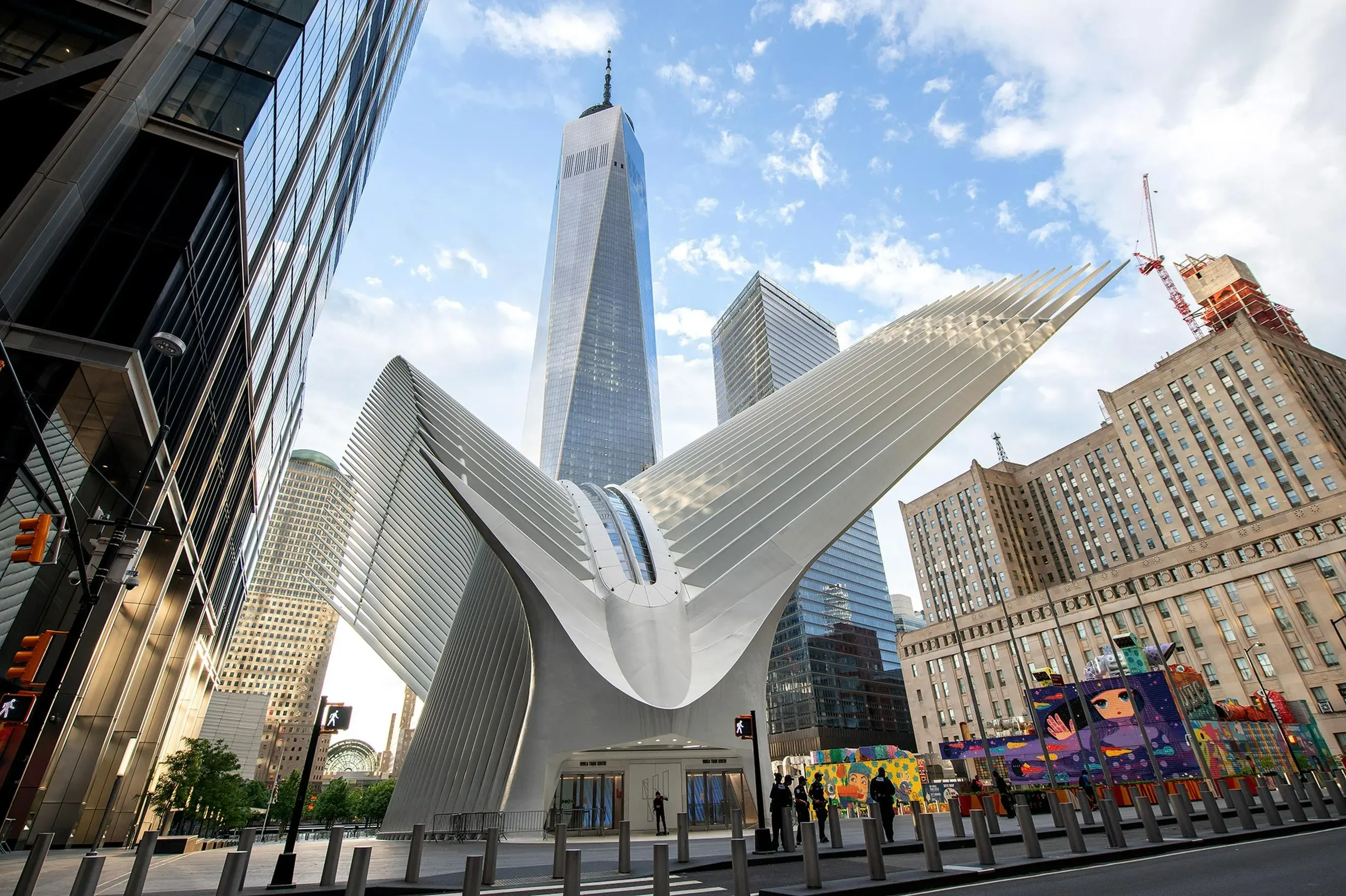
The 9/11 Memorial & Museum invites reflection and learning in the heart of Lower Manhattan. This expanded guide helps you plan a calm, respectful visit — from smart ticket choices and timing to highlights, pacing, and thoughtful nearby pairings.
At‑a‑Glance
- Where: World Trade Center, Lower Manhattan (entrances on Greenwich St)
- Average time: Memorial 20–45 minutes; Museum 90–150 minutes
- Best pairings: One World Observatory, Oculus, Battery Park waterfront
- Good for: First‑time visitors, history learners, thoughtful city itineraries
Note: Hours, policies, and pricing can change. Confirm details on the official website before you go.
Table of Contents
- Tickets and Passes
- When to Visit
- Getting There
- What to See — 12 Highlights
- Sample Routes
- Respectful Etiquette
- Accessibility
- Nearby Pairings
- FAQs
- Planning Checklist
- Resources
Tickets and Passes
- Timed museum entry: Choose a time slot to reduce waiting.
- Combo ideas: Consider pairing with nearby observatory or tours offered by reputable operators.
- Discounts: Look for youth, senior, student, and community discounts where applicable.
- Free options: The outdoor Memorial is free and open to the public.
How to Pick the Right Ticket
| If you want... | Consider... |
|---|---|
| A quick overview | Memorial pools + Survivor Tree (outdoor) |
| Deep learning | Museum timed ticket (Historical + In Memoriam) |
| Skyline views too | Museum + nearby observatory (separate entry) |
| Calm moments | Early morning or late afternoon slots |
Tip: Earlier slots typically feel quieter; late afternoon helps avoid midday crowds and tour groups.
When to Visit
- Weekdays outside rush hours are usually lighter.
- Mornings: Soft light on the plaza; calmer galleries.
- Evenings: Subtle illumination at the pools and quieter pathways.
- Weather note: Light rain can thin crowds and add atmosphere to the waterfalls.
Getting There
- Subway:
Eto World Trade Center;A/C/2/3/4/5/J/Z/R/W/1to nearby stops. - PATH: World Trade Center terminal from New Jersey.
- Walk: Short walk from Battery Park and Tribeca.
- Security: Standard screening at museum entrance; allow extra time.
Accessibility: Step‑free options exist throughout; staff are available to assist with elevator routes.
What to See — 12 Highlights
- Memorial Pools — Reflecting Absence with bronze names around twin voids.
- Survivor Tree — A living symbol of resilience on the plaza.
- Historical Exhibition — A careful, structured account of the day and its context.
- In Memoriam — Portraits honoring those who were killed.
- Foundation Hall — The slurry wall and the Last Column.
- The Tridents — Massive facade remnants framing memory and scale.
- Rescue & Recovery — Artifacts from months of work after the attacks.
- Witness & Response — Perspectives from media, art, and community.
- Memorial Glade — Tribute to responders and all affected by recovery operations.
- Artifacts — Stair remnant, vehicles, steel elements, and personal items.
- Voices — Oral histories, audio guide tracks, and recorded names.
- City Views — Oculus and Lower Manhattan architecture for context.
Photography: Be mindful of others; avoid intrusive images of visitors in reflective moments.
Sample Routes
90‑Minute Essentials
- Memorial pools (15–20 min)
- Survivor Tree and Memorial Glade (10–15 min)
- Museum: Foundation Hall, Tridents, Last Column (45–55 min)
- Pause at the slurry wall (5–10 min)
2.5‑Hour Deep Dive
- Outdoor memorial loop and tree (25–30 min)
- Historical Exhibition with pacing breaks (60–75 min)
- In Memoriam + Voices stations (25–30 min)
- Artifacts + Foundation Hall reflection (20–30 min)
Pacing: Plan short pauses between galleries; hydration and brief walks help with attention and sensitivity.
Respectful Etiquette
- Keep voices low; the site is a place of remembrance.
- Do not climb or place items on the bronze names.
- Follow photography rules; avoid intrusive photos of others.
- Food and large bags are not suitable inside exhibition spaces.
| Do | Don’t |
|---|---|
| Speak softly | Lean on bronze parapets |
| Step aside for others | Block pathways for photos |
| Read labels fully | Use flash in quiet spaces |
Accessibility
- Step‑free routes and elevators are available; request assistance on site.
- Quiet spaces exist; ask team members for guidance if you need a pause.
- Audio guides and captions support varied learning styles.
Sensory note: The sound of waterfalls outdoors provides a steady backdrop; inside, quieter alcoves exist near circulation paths.
Nearby Pairings
- One World Observatory for skyline context.
- Oculus for architecture and transit links.
- Battery Park for harbor views and a contemplative walk.
FAQs
How early should I arrive?
10–15 minutes ahead of your timed slot is sufficient for screening and orientation.
Can I visit the Memorial without the Museum?
Yes — the outdoor Memorial is free and open to the public.
Is there a best order for exhibits?
Many visitors begin in Foundation Hall, then move to the Historical Exhibition and In Memoriam.
Planning Checklist
- Reserve timed museum entry
- Choose a calmer time (morning or late afternoon)
- Plan a route with short breaks
- Pack light (small daypack)
- Review respectful etiquette
- Consider a nearby pairing for context
Resources
- Official hours, admissions, and updates
- On‑site assistance and accessibility services
- Audio guide options and tour schedules
Bottom line: Reserve a timed museum entry, arrive a bit early for the memorial pools, and pace your time indoors with breaks. The site rewards a thoughtful, unhurried visit.
About the Author

NYC Memorial Expert
This guide is written to help you visit with care — honoring lives, supporting understanding, and allowing time for quiet reflection.
Tags
Comments (0)
Loading comments...