Names, water, and remembrance
A living place of memory in the heart of New York City.
Table of Contents
Origins of the World Trade Center & commemoration
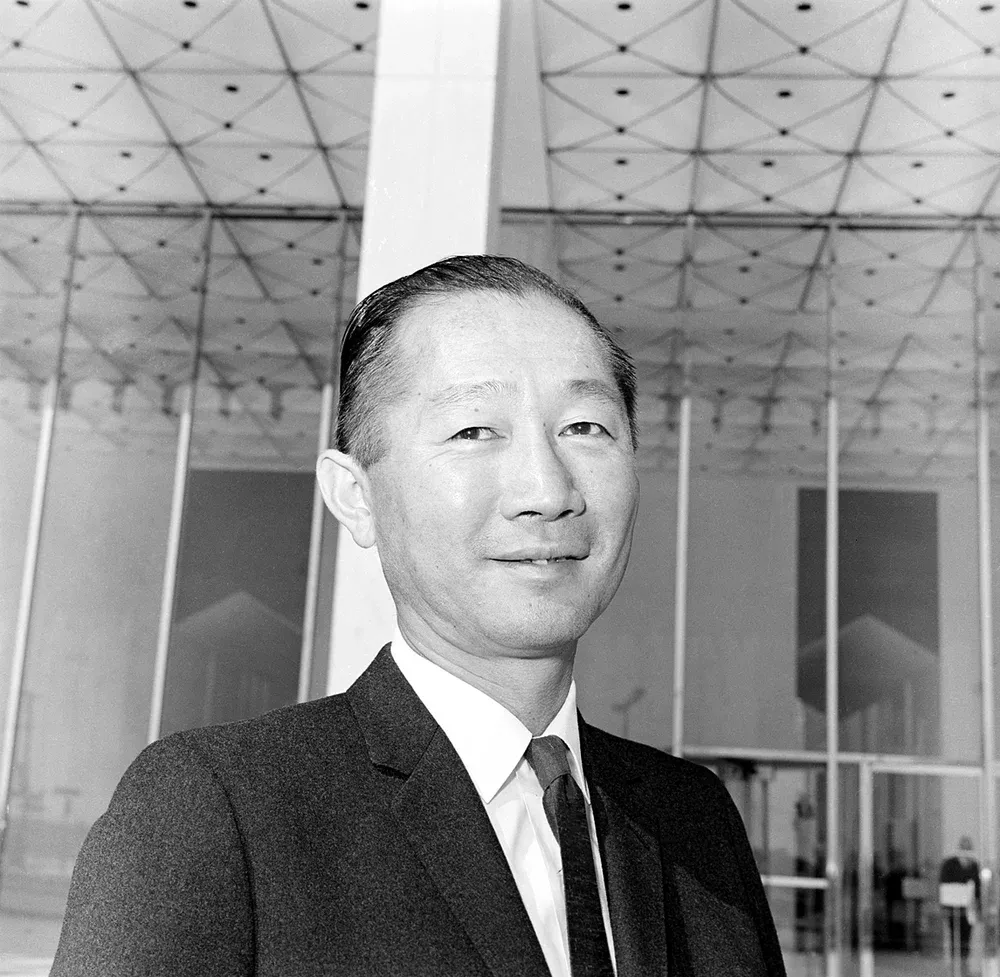
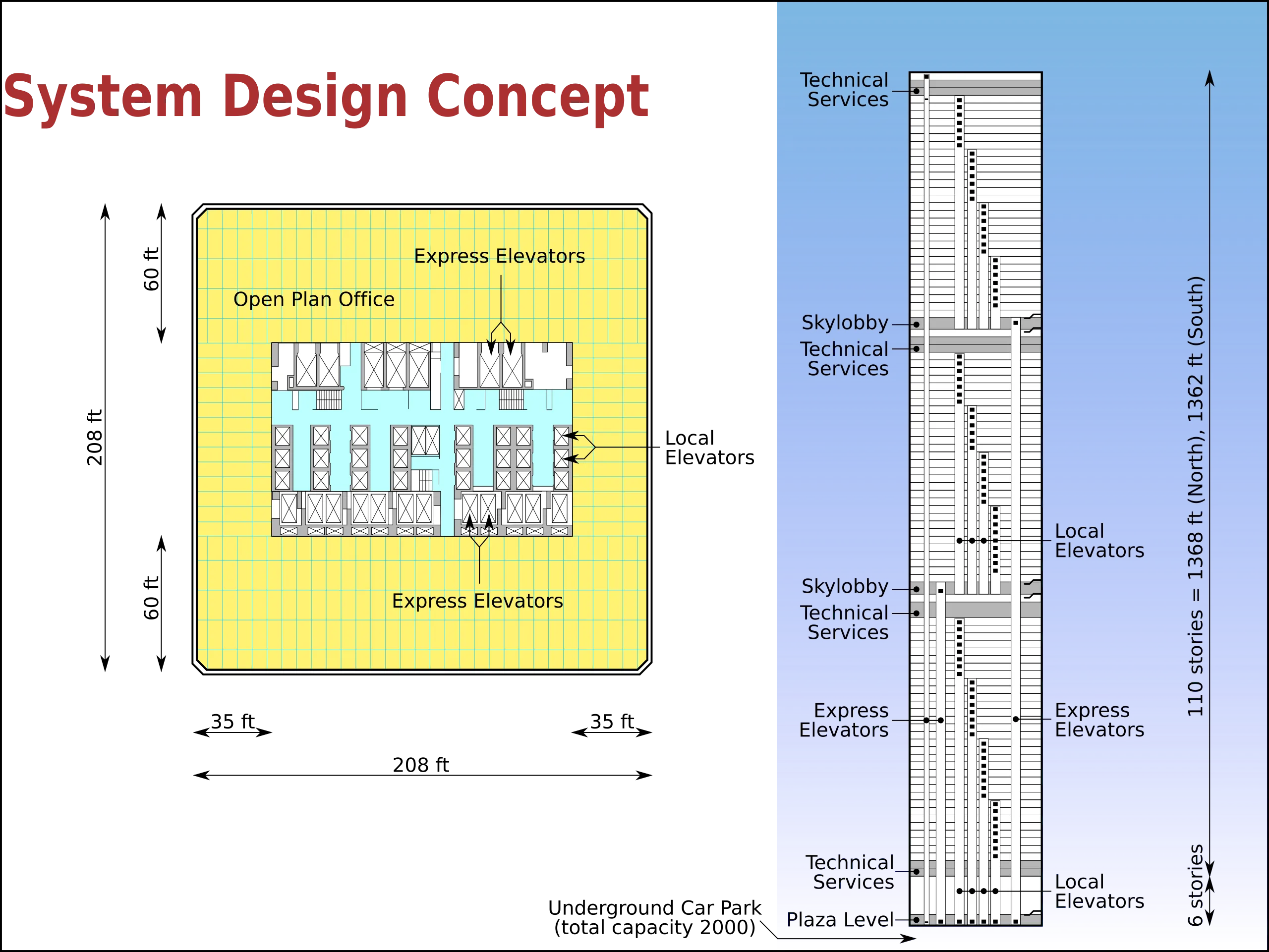
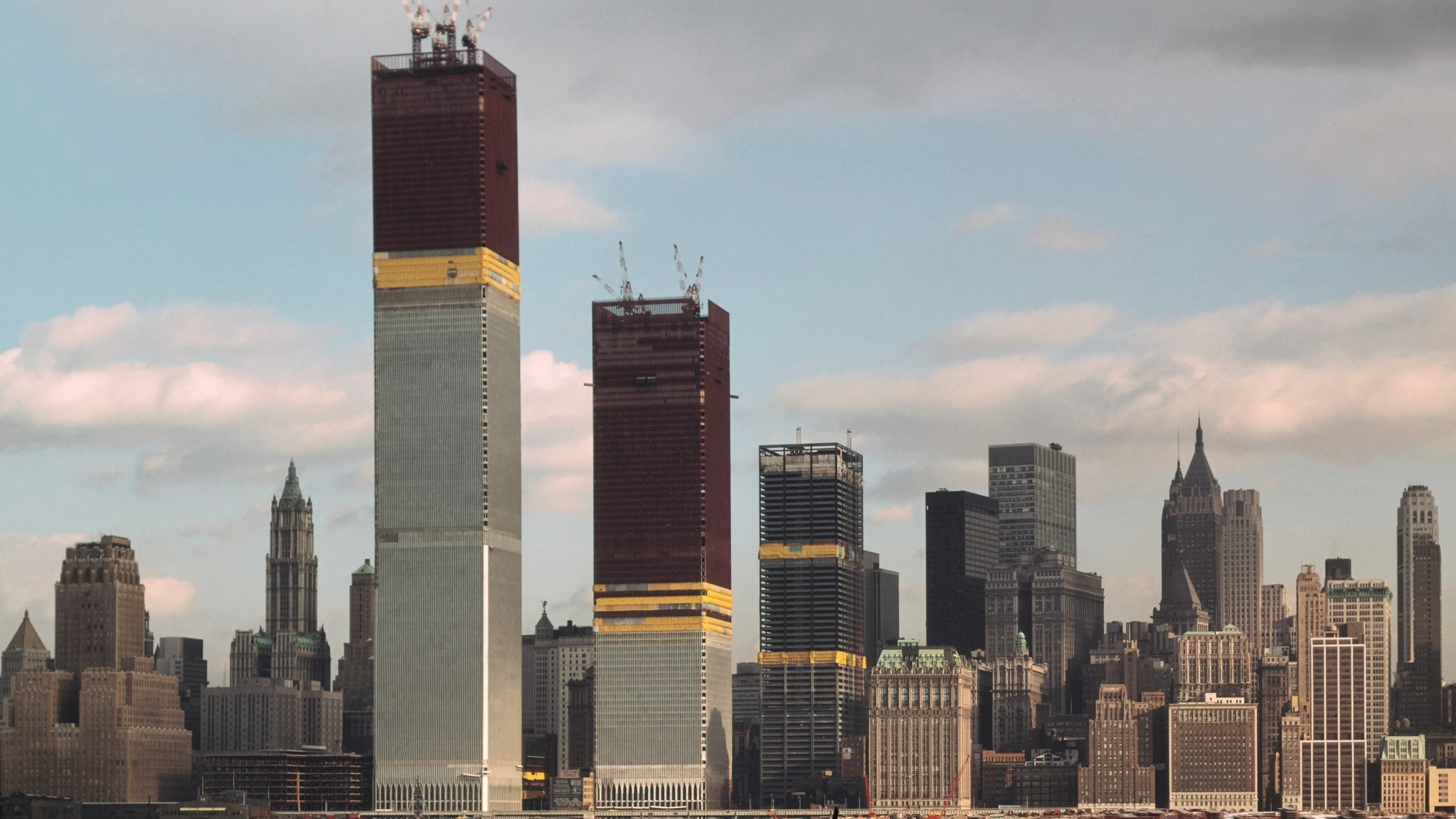
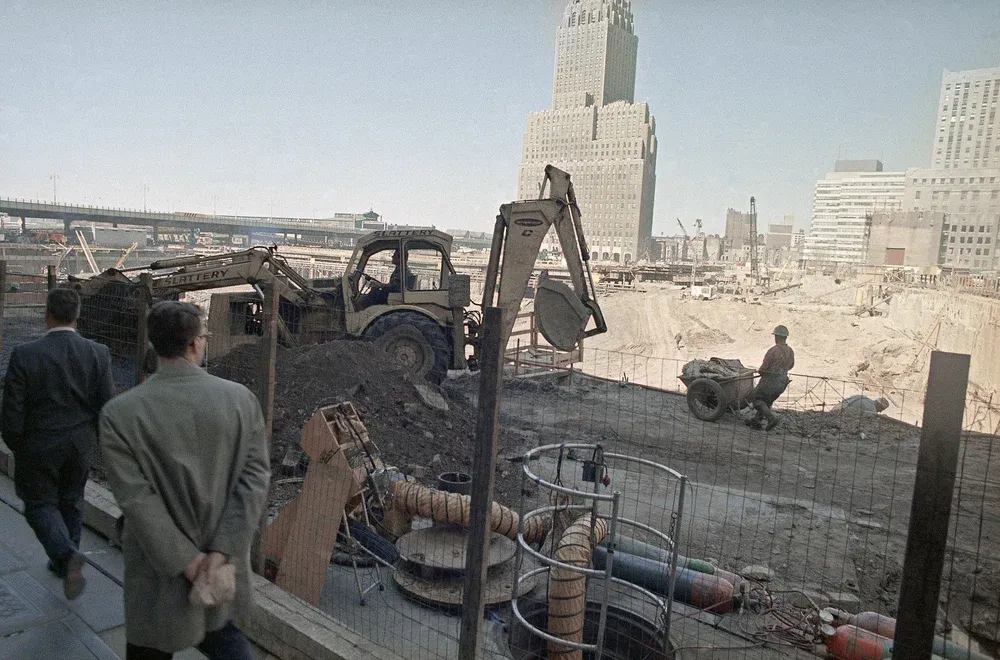
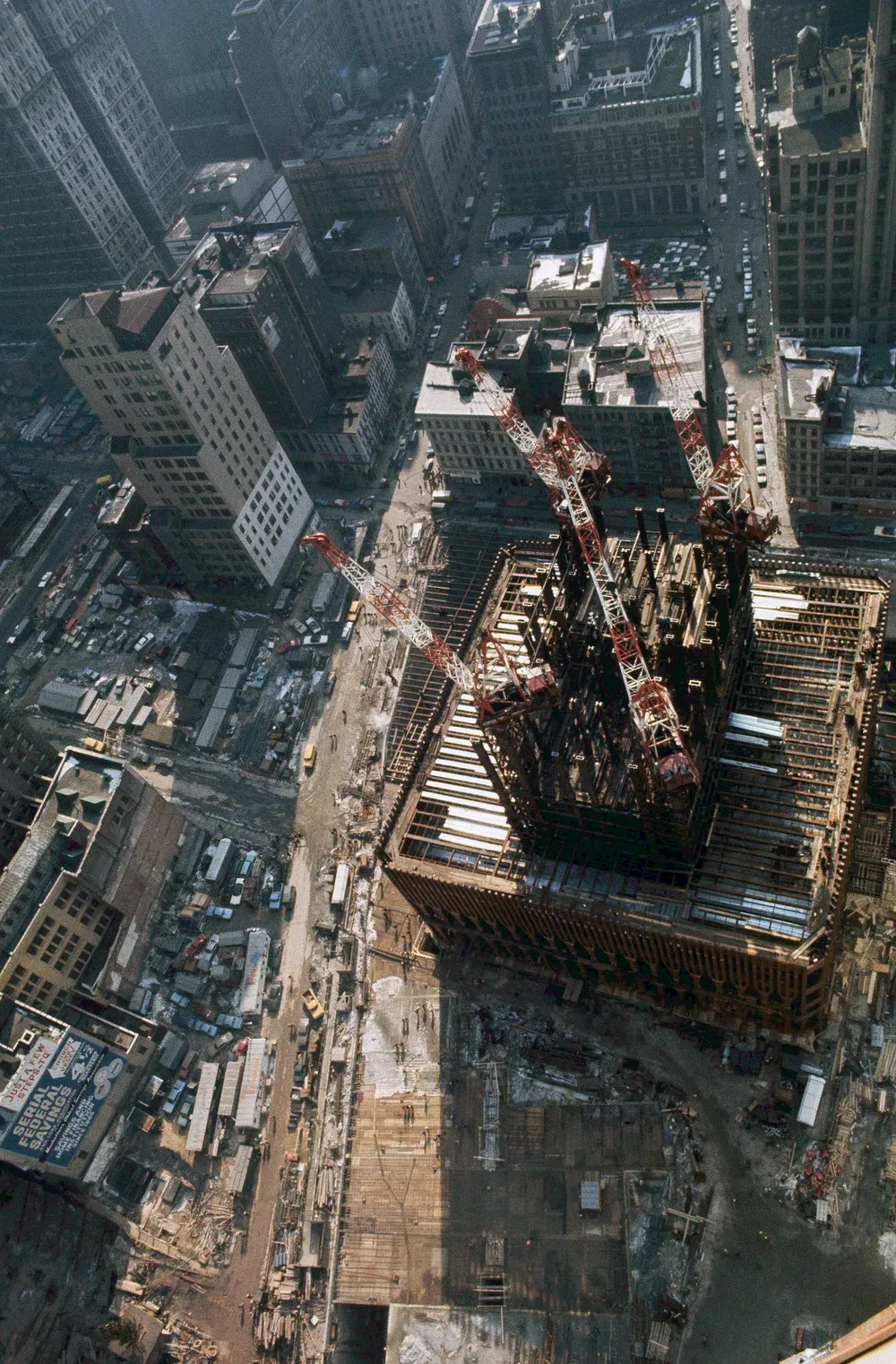
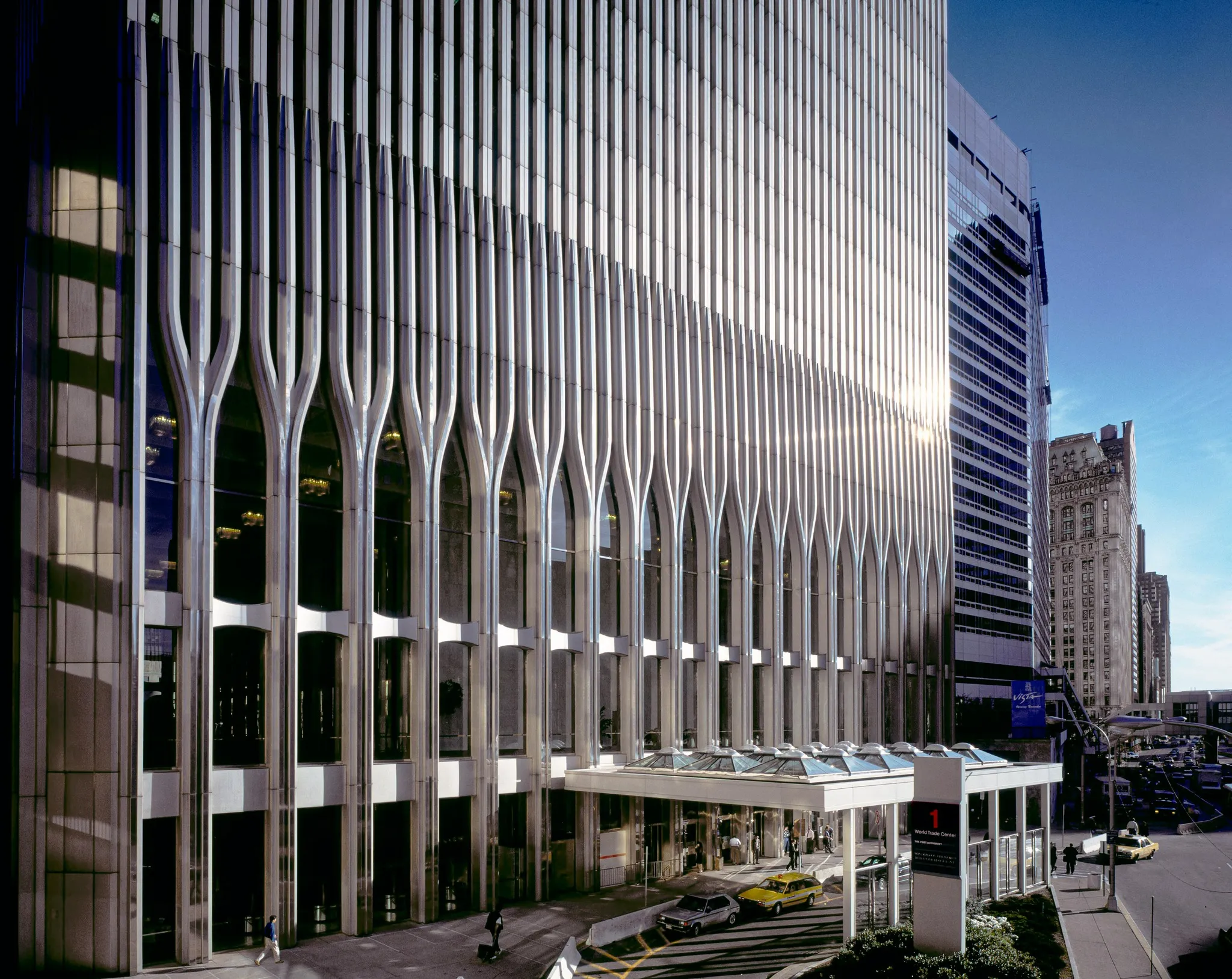
The original World Trade Center complex rose in Lower Manhattan during the late 20th century as a symbol of global exchange and New York’s skyline. After the attacks of September 11, 2001, and the bombing of February 26, 1993, the site became a place of mourning, recovery, and collective purpose. A years‑long process of consultation with families, survivors, first responders, and the public guided the vision for a dignified memorial and a museum that educates with care.
The National September 11 Memorial & Museum now stands as a dedicated space for remembrance and learning. The Memorial’s design centers absence and reflection, while the Museum traces narratives of the day, its global reverberations, and the recovery that followed. Together, they uphold the commitment to honor every name and share context that promotes understanding.
September 11, 2001: timeline and impact
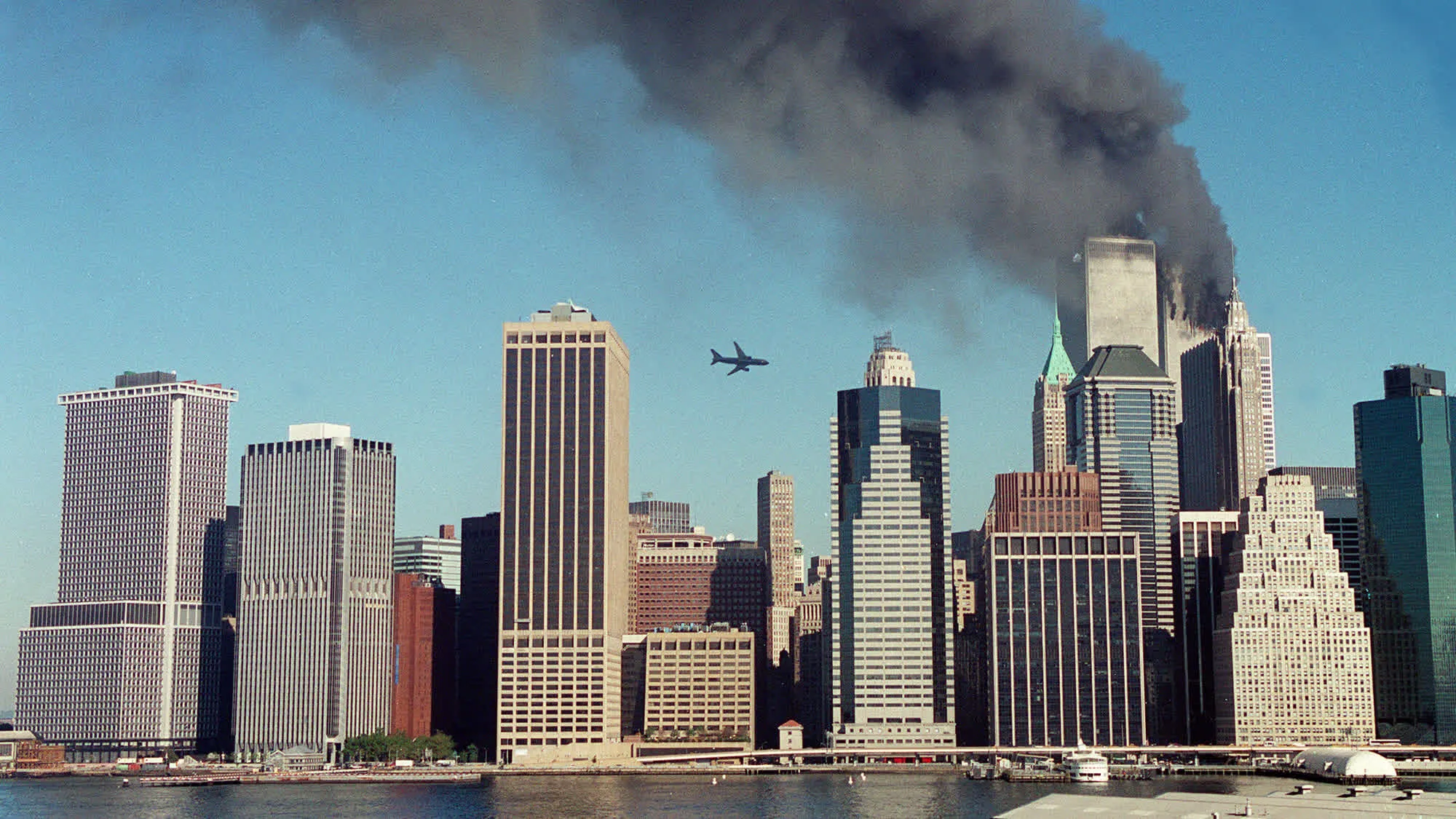
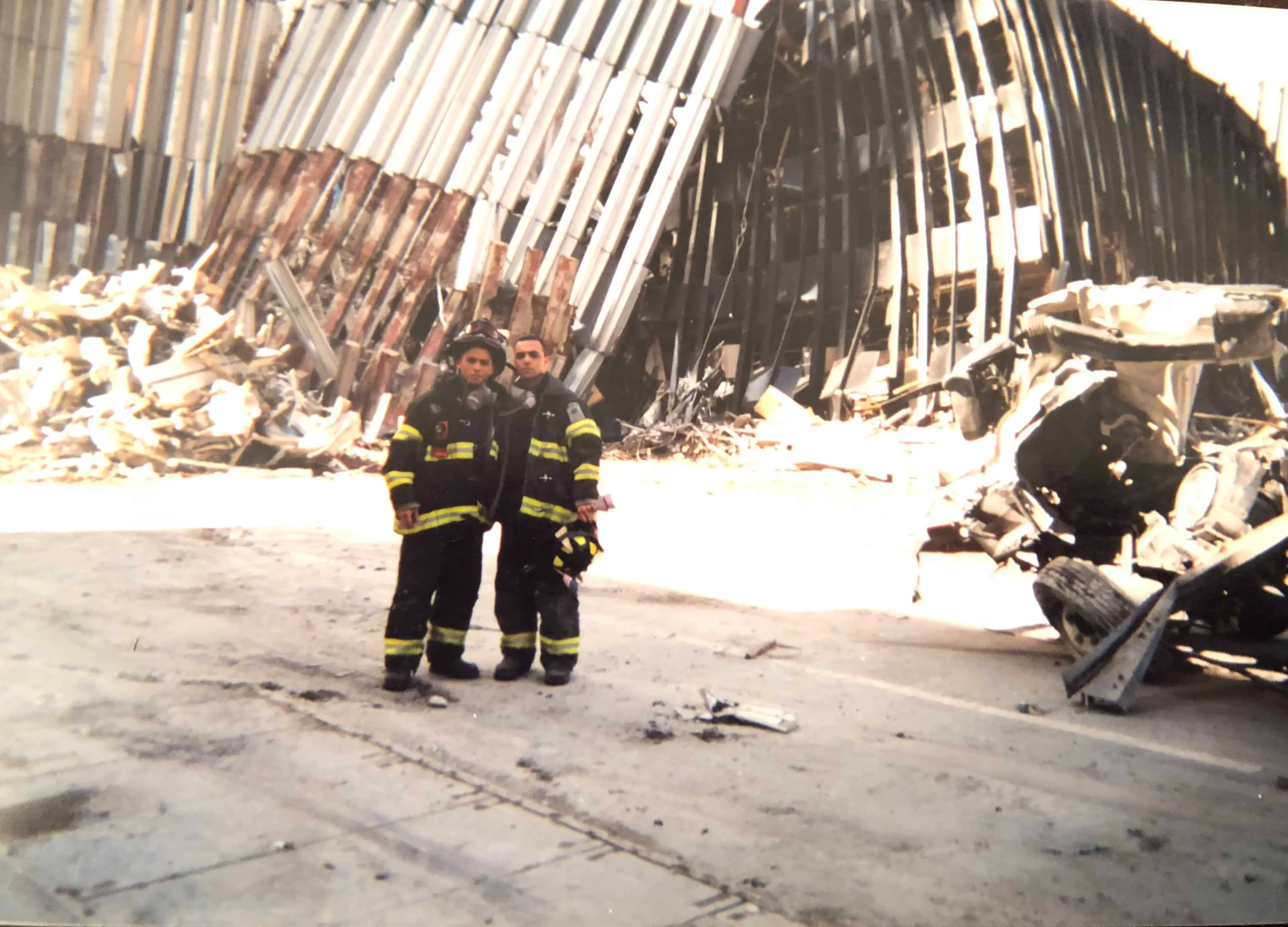
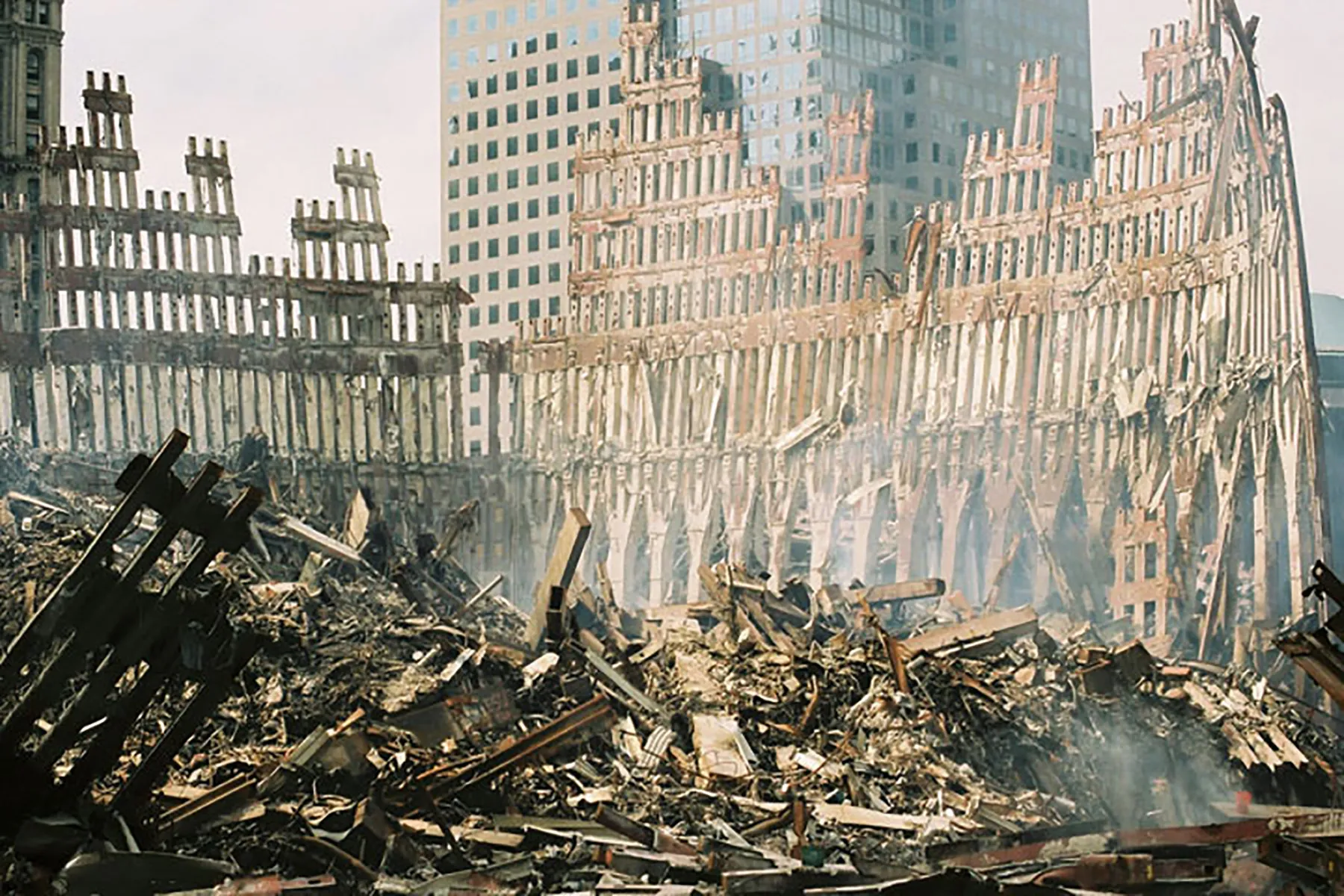
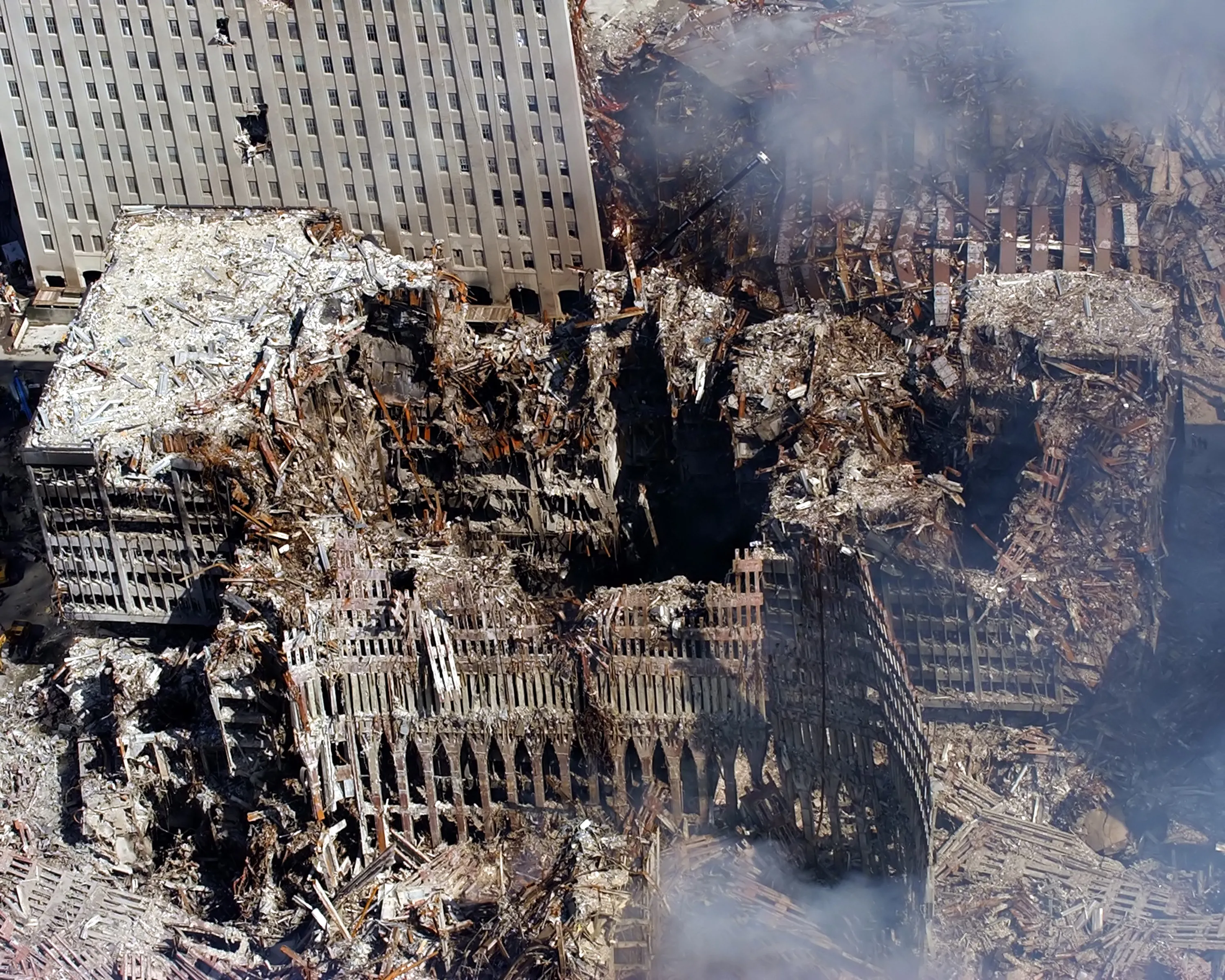
On the morning of September 11, 2001, coordinated attacks struck the United States, including the Twin Towers of the World Trade Center. The day unfolded with profound loss and extraordinary acts of courage, as first responders and civilians aided evacuations and rescue efforts. The impact extended far beyond New York, touching families and communities around the world.
The Museum’s historical exhibitions present a measured chronology of the events and their immediate aftermath. Through artifacts, recordings, and testimonies, visitors encounter personal stories that illuminate resilience, solidarity, and the long arc of recovery.
February 26, 1993: remembering the earlier attack
The Memorial honors those who died in the 1993 World Trade Center bombing and recognizes the continuity of memory across both attacks. Their names, inscribed with equal care, affirm the commitment to remember every life lost.
In the Museum, contextual exhibits acknowledge the 1993 attack’s place in the broader history, sharing accounts that underscore the resilience of New York’s communities and the dedication of first responders.
Designing the Memorial: concept and symbolism
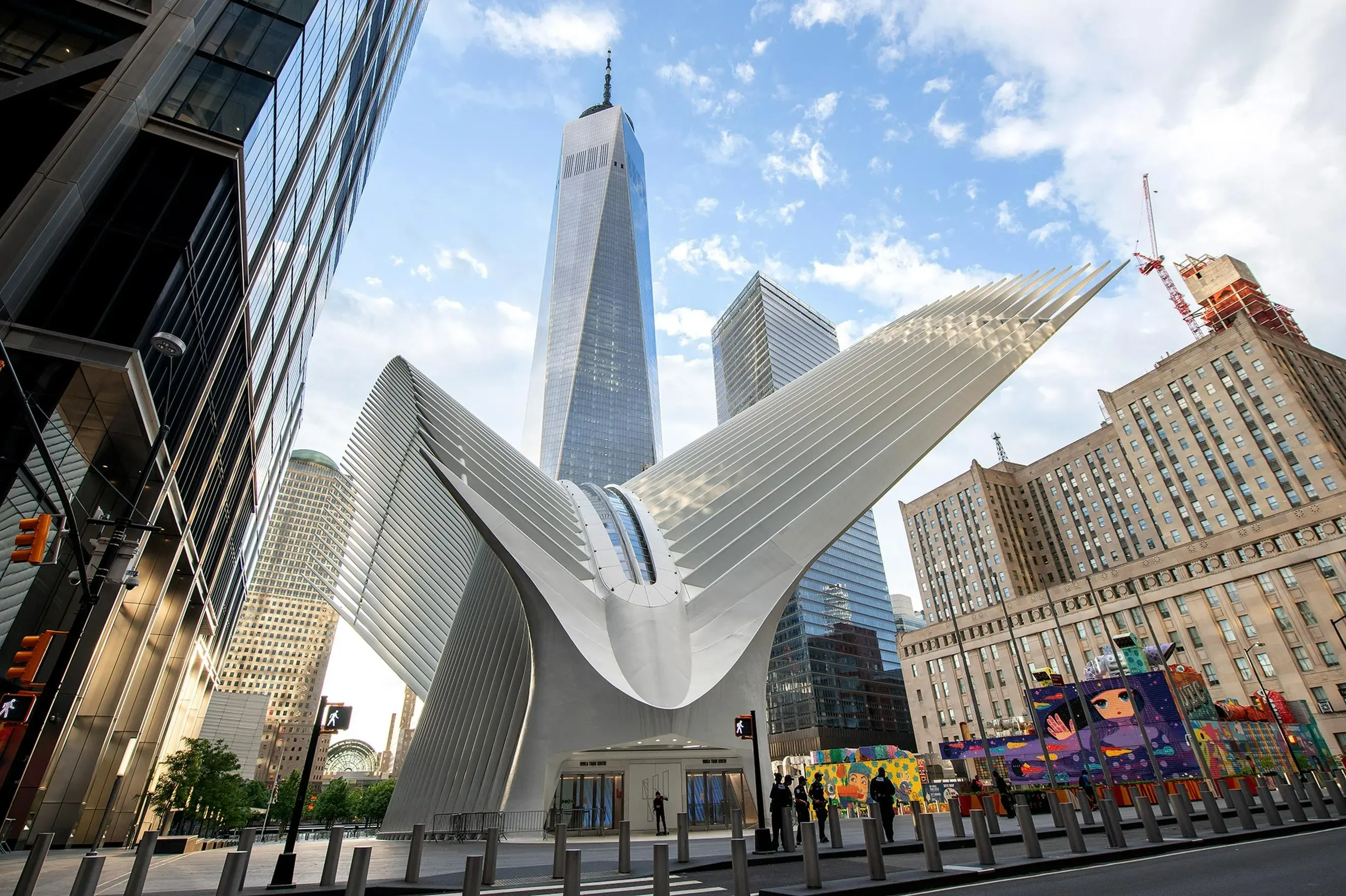
The twin Reflecting Pools occupy the exact footprints of the former towers. Water descends continuously, evoking absence and contemplation. The bronze parapets around each pool bear the names of the nearly 3,000 victims of 9/11 and the six who died in 1993, grouped by meaningful affiliations and relationships.
This design invites visitors to trace the outlines of loss while finding space for personal remembrance. The sound of water and the openness of the plaza create a setting that is solemn yet accessible, a public place where memory is shared.
The Museum: artifacts, voices, and learning
Inside the Museum, historical and memorial exhibitions present artifacts — from structural elements to personal items — alongside oral histories, photographs, and multimedia that foster understanding. The approach is measured and respectful, allowing visitors to proceed at a pace that suits their comfort.
Education programs and resources support students, families, and lifelong learners, connecting individual stories to broader themes of resilience, service, and civic responsibility.
Survivor Tree & Memorial Glade
The Survivor Tree, discovered in the wreckage and nurtured back to health, stands as a living symbol of perseverance. Each spring, seedlings are shared with communities that have endured tragedy, extending a gesture of solidarity.
Memorial Glade honors those who suffered or died from health effects tied to the aftermath, and those who aided in recovery. It recognizes a broad community of service that continued long after the day itself.
Wayfinding across the World Trade Center campus
The campus includes the Oculus transportation hub, outdoor plazas, and clear signage toward the Memorial and Museum entrances. Allow time to navigate calmly, especially during busy periods.
Nearby, you may visit St. Paul’s Chapel, One World Observatory, and the 9/11 Tribute Museum operated by a separate organization, planning your day to avoid rushing.
Safety, security & accessibility
Security screening is required for Museum entry. The Memorial plaza is open-air and wheelchair accessible, with ramps and smooth paths. Elevators, accessible seating, and services are available inside the Museum.
Check for advisories regarding weather, maintenance, or special events. Staff are present to assist visitors and maintain a respectful environment.
Community, ceremonies & ongoing remembrance
Annual observances, moments of silence, and educational programs sustain remembrance and community connection. Families, survivors, and first responders guide traditions that center dignity and care.
The space is both public and personal. Visitors are encouraged to show quiet respect, allowing others time and room for their own reflections.
Tickets, timed entry & guided experiences
Reserve timed entry for the Museum to ensure a measured visit. Audio and guided experiences help frame the history with clarity and care.
Discounts, memberships, and educational group options are available. Review current offerings on the official site before booking.
Preservation, education & stewardship
Stewardship of the Memorial and Museum ensures that names remain legible, pathways are accessible, and exhibitions continue to educate. Philanthropy and membership help sustain programs and care for the site.
Educational resources connect the history to civic values, encouraging thoughtful dialogue and the transmission of memory across generations.
Nearby sites: Oculus, One World Observatory & St. Paul’s
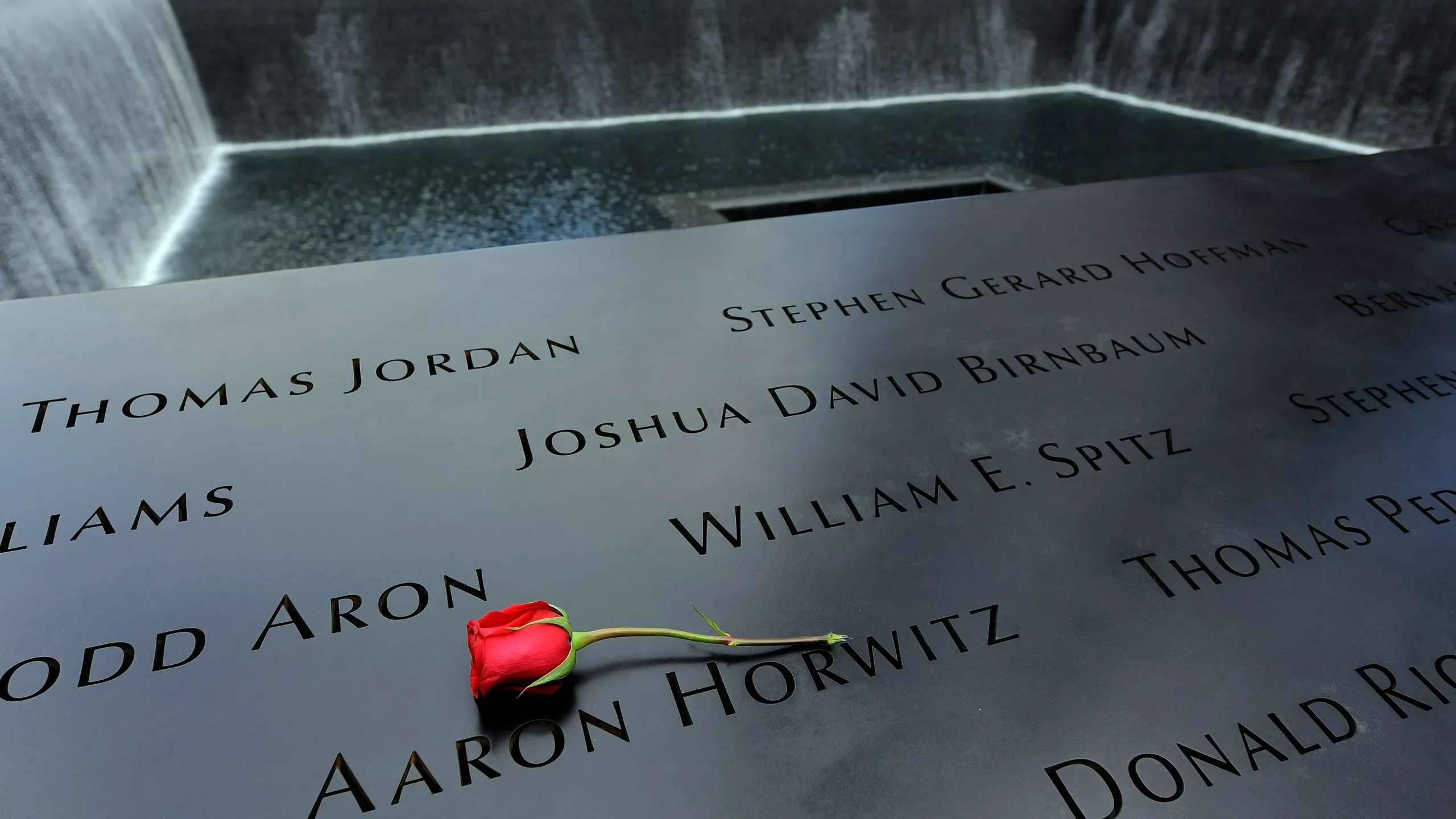
The Oculus connects multiple subway lines and PATH trains, offering indoor access to the World Trade Center campus. One World Observatory provides panoramic views of the city from the top of One World Trade Center.
St. Paul’s Chapel, a historic survivor of the day, stands nearby. Plan time thoughtfully if you wish to visit additional sites.
Why this place matters
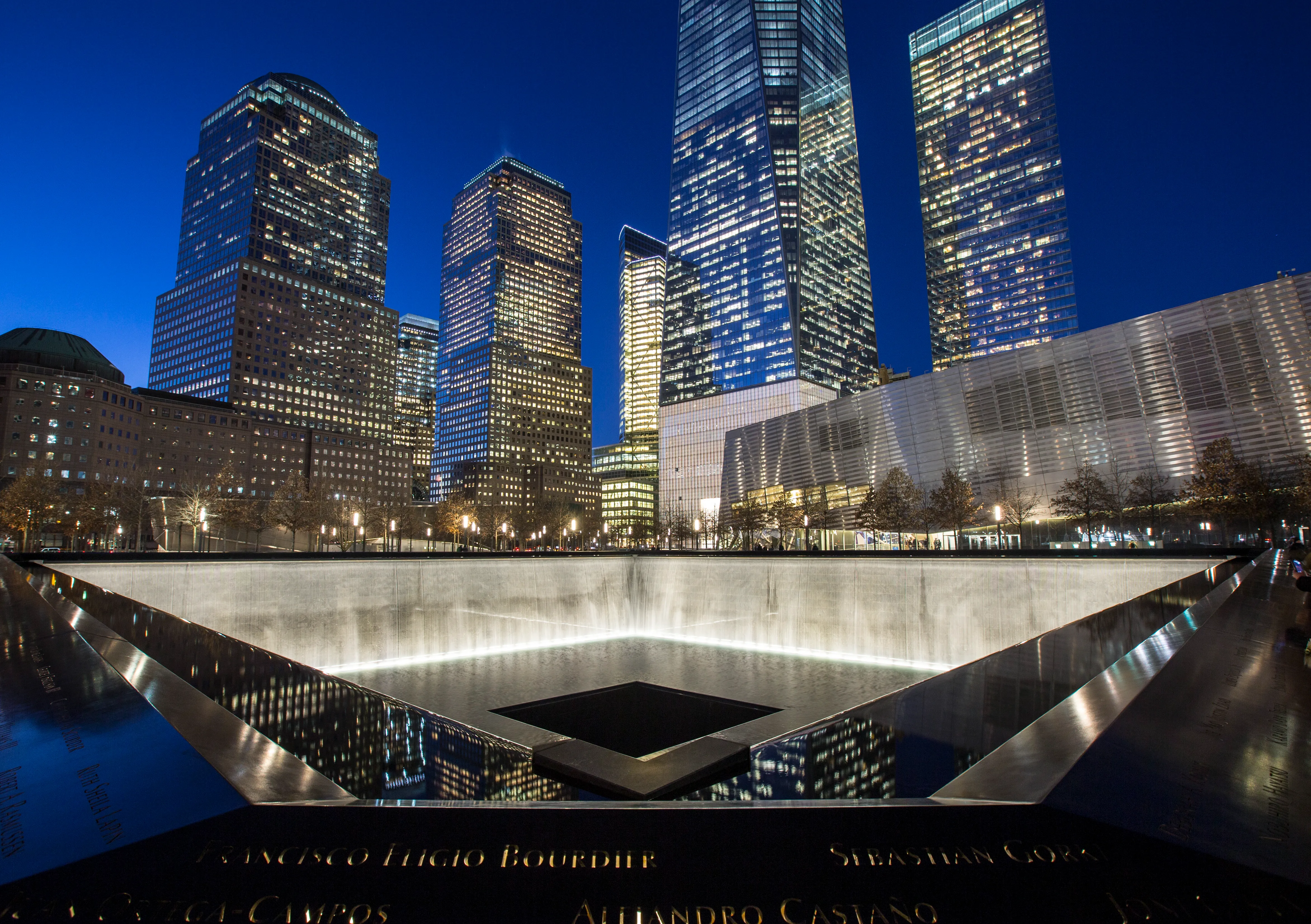
The 9/11 Memorial & Museum is a place where names are honored, histories are told with care, and visitors can reflect on loss, resilience, and community. It is a civic space, open to all, sustained by remembrance and learning.
Your visit helps preserve memory, supports education, and underscores a shared commitment to empathy and understanding.
Table of Contents
Origins of the World Trade Center & commemoration
The original World Trade Center complex rose in Lower Manhattan during the late 20th century as a symbol of global exchange and New York’s skyline. After the attacks of September 11, 2001, and the bombing of February 26, 1993, the site became a place of mourning, recovery, and collective purpose. A years‑long process of consultation with families, survivors, first responders, and the public guided the vision for a dignified memorial and a museum that educates with care.
The National September 11 Memorial & Museum now stands as a dedicated space for remembrance and learning. The Memorial’s design centers absence and reflection, while the Museum traces narratives of the day, its global reverberations, and the recovery that followed. Together, they uphold the commitment to honor every name and share context that promotes understanding.
September 11, 2001: timeline and impact
On the morning of September 11, 2001, coordinated attacks struck the United States, including the Twin Towers of the World Trade Center. The day unfolded with profound loss and extraordinary acts of courage, as first responders and civilians aided evacuations and rescue efforts. The impact extended far beyond New York, touching families and communities around the world.
The Museum’s historical exhibitions present a measured chronology of the events and their immediate aftermath. Through artifacts, recordings, and testimonies, visitors encounter personal stories that illuminate resilience, solidarity, and the long arc of recovery.
February 26, 1993: remembering the earlier attack
The Memorial honors those who died in the 1993 World Trade Center bombing and recognizes the continuity of memory across both attacks. Their names, inscribed with equal care, affirm the commitment to remember every life lost.
In the Museum, contextual exhibits acknowledge the 1993 attack’s place in the broader history, sharing accounts that underscore the resilience of New York’s communities and the dedication of first responders.
Designing the Memorial: concept and symbolism
The twin Reflecting Pools occupy the exact footprints of the former towers. Water descends continuously, evoking absence and contemplation. The bronze parapets around each pool bear the names of the nearly 3,000 victims of 9/11 and the six who died in 1993, grouped by meaningful affiliations and relationships.
This design invites visitors to trace the outlines of loss while finding space for personal remembrance. The sound of water and the openness of the plaza create a setting that is solemn yet accessible, a public place where memory is shared.
The Museum: artifacts, voices, and learning
Inside the Museum, historical and memorial exhibitions present artifacts — from structural elements to personal items — alongside oral histories, photographs, and multimedia that foster understanding. The approach is measured and respectful, allowing visitors to proceed at a pace that suits their comfort.
Education programs and resources support students, families, and lifelong learners, connecting individual stories to broader themes of resilience, service, and civic responsibility.
Survivor Tree & Memorial Glade
The Survivor Tree, discovered in the wreckage and nurtured back to health, stands as a living symbol of perseverance. Each spring, seedlings are shared with communities that have endured tragedy, extending a gesture of solidarity.
Memorial Glade honors those who suffered or died from health effects tied to the aftermath, and those who aided in recovery. It recognizes a broad community of service that continued long after the day itself.
Wayfinding across the World Trade Center campus
The campus includes the Oculus transportation hub, outdoor plazas, and clear signage toward the Memorial and Museum entrances. Allow time to navigate calmly, especially during busy periods.
Nearby, you may visit St. Paul’s Chapel, One World Observatory, and the 9/11 Tribute Museum operated by a separate organization, planning your day to avoid rushing.
Safety, security & accessibility
Security screening is required for Museum entry. The Memorial plaza is open-air and wheelchair accessible, with ramps and smooth paths. Elevators, accessible seating, and services are available inside the Museum.
Check for advisories regarding weather, maintenance, or special events. Staff are present to assist visitors and maintain a respectful environment.
Community, ceremonies & ongoing remembrance
Annual observances, moments of silence, and educational programs sustain remembrance and community connection. Families, survivors, and first responders guide traditions that center dignity and care.
The space is both public and personal. Visitors are encouraged to show quiet respect, allowing others time and room for their own reflections.
Tickets, timed entry & guided experiences
Reserve timed entry for the Museum to ensure a measured visit. Audio and guided experiences help frame the history with clarity and care.
Discounts, memberships, and educational group options are available. Review current offerings on the official site before booking.
Preservation, education & stewardship
Stewardship of the Memorial and Museum ensures that names remain legible, pathways are accessible, and exhibitions continue to educate. Philanthropy and membership help sustain programs and care for the site.
Educational resources connect the history to civic values, encouraging thoughtful dialogue and the transmission of memory across generations.
Nearby sites: Oculus, One World Observatory & St. Paul’s
The Oculus connects multiple subway lines and PATH trains, offering indoor access to the World Trade Center campus. One World Observatory provides panoramic views of the city from the top of One World Trade Center.
St. Paul’s Chapel, a historic survivor of the day, stands nearby. Plan time thoughtfully if you wish to visit additional sites.
Why this place matters
The 9/11 Memorial & Museum is a place where names are honored, histories are told with care, and visitors can reflect on loss, resilience, and community. It is a civic space, open to all, sustained by remembrance and learning.
Your visit helps preserve memory, supports education, and underscores a shared commitment to empathy and understanding.