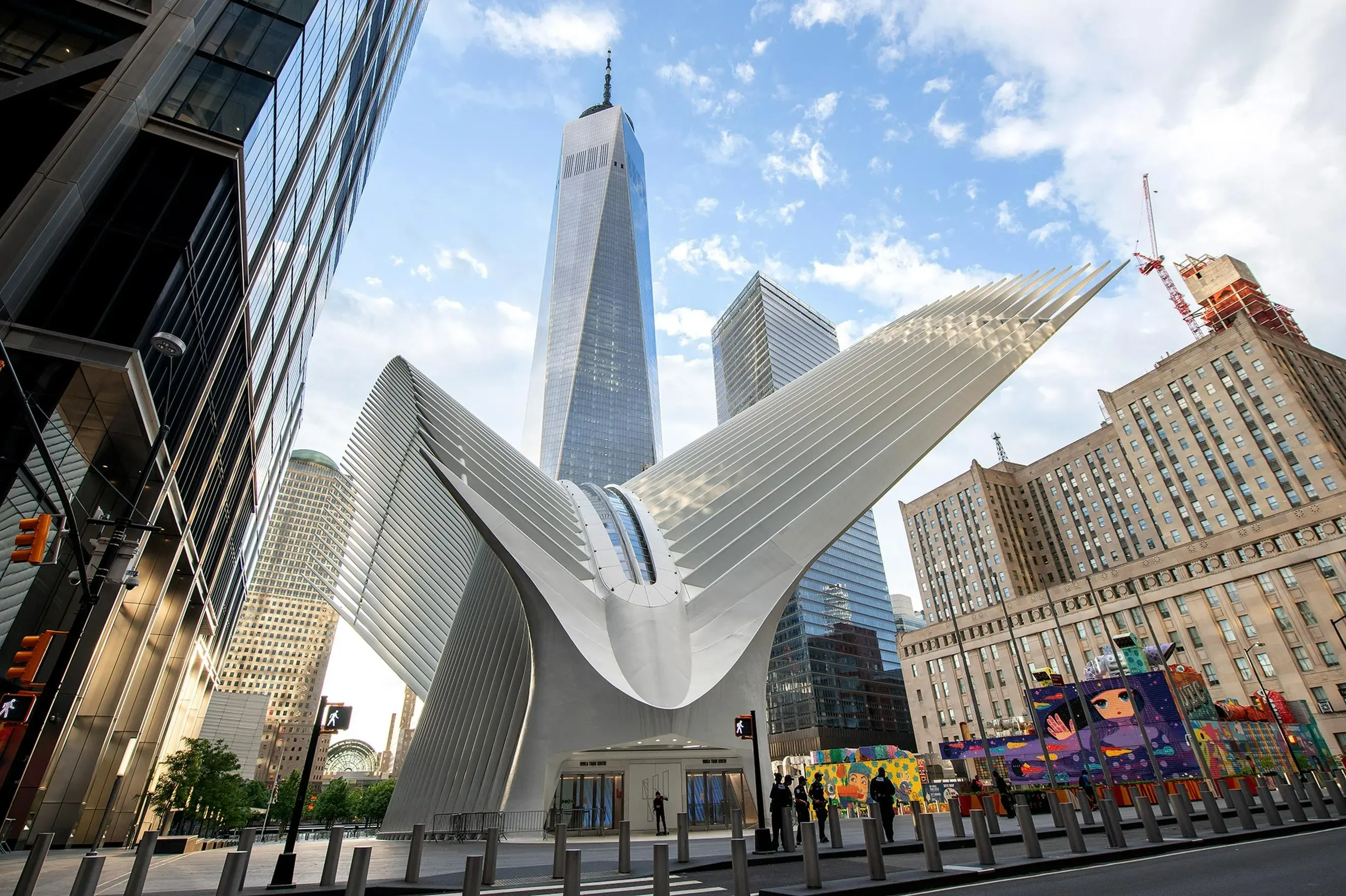
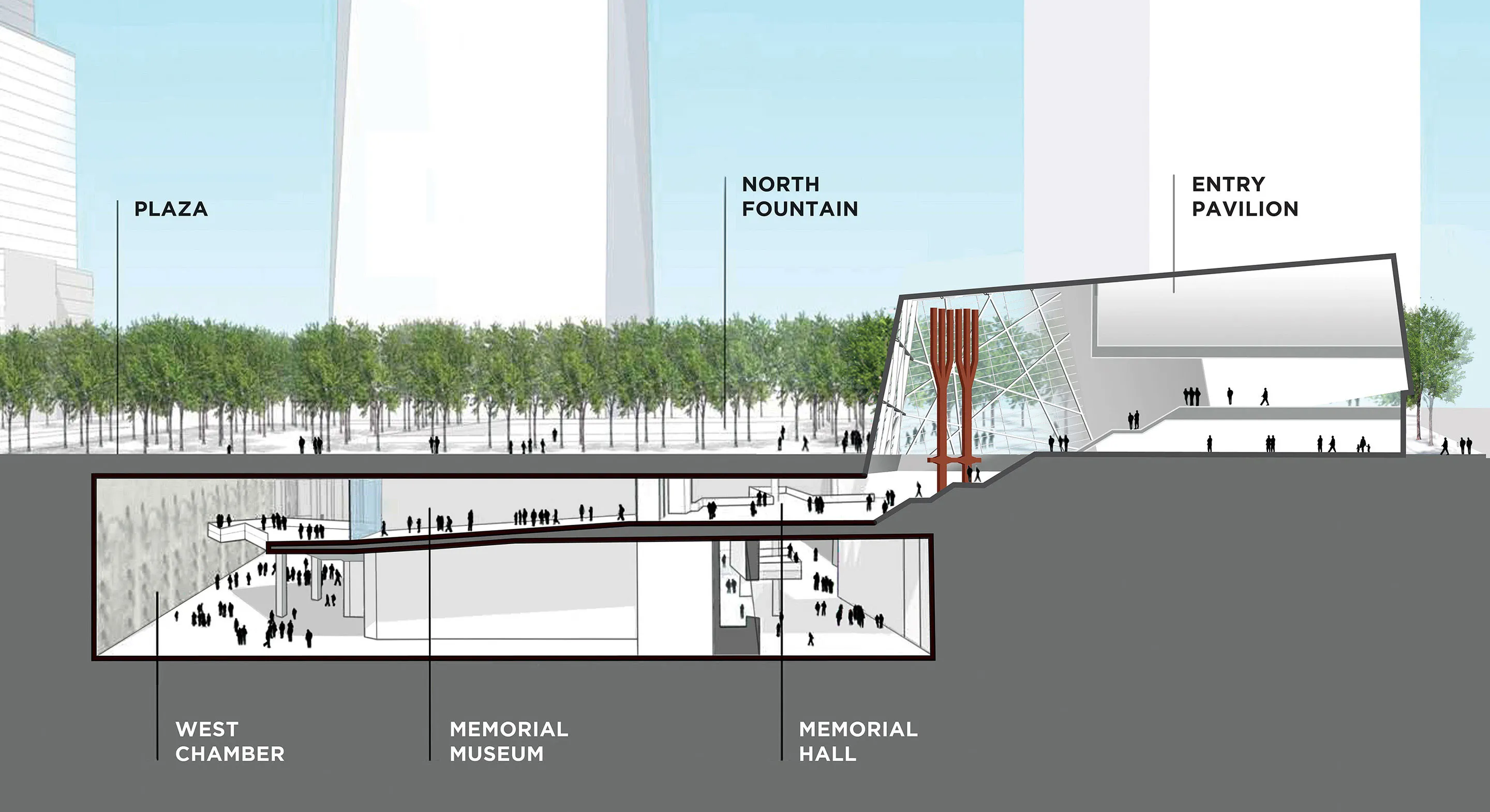
9/11 Memorial & Museum: The Ultimate Guide (Tickets, What to See, Routes, Tips)
Plan a thoughtful visit to the 9/11 Memorial & Museum: ticket options, timing, respectful etiquette, 12 top highlights, and sample routes.
→
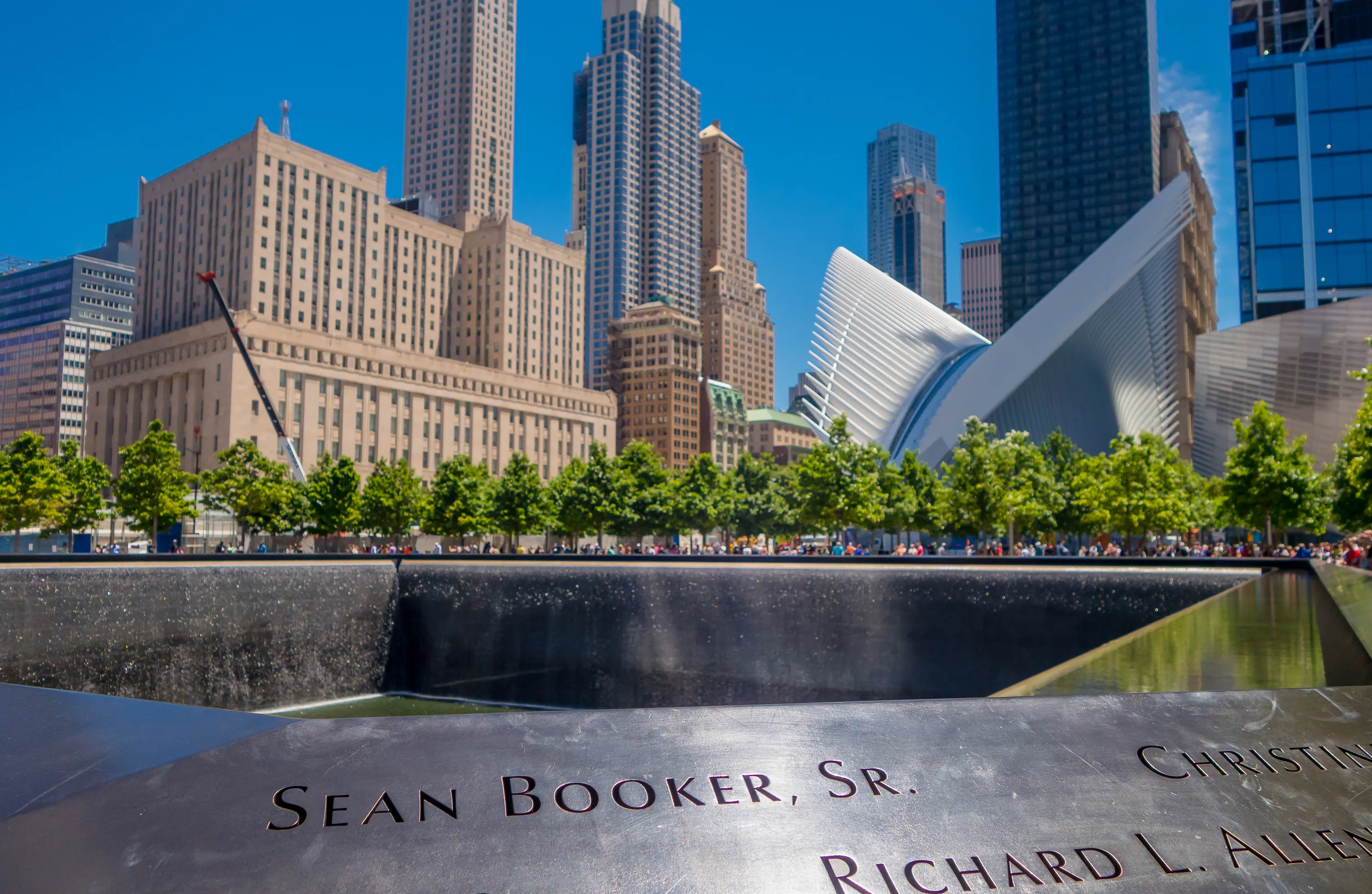
The Names on the 9/11 Memorial: Meaning, Order, and Storylines
Understand how names are arranged on the 9/11 Memorial, what ‘meaningful adjacencies’ are, and how to locate a specific name respectfully.
→
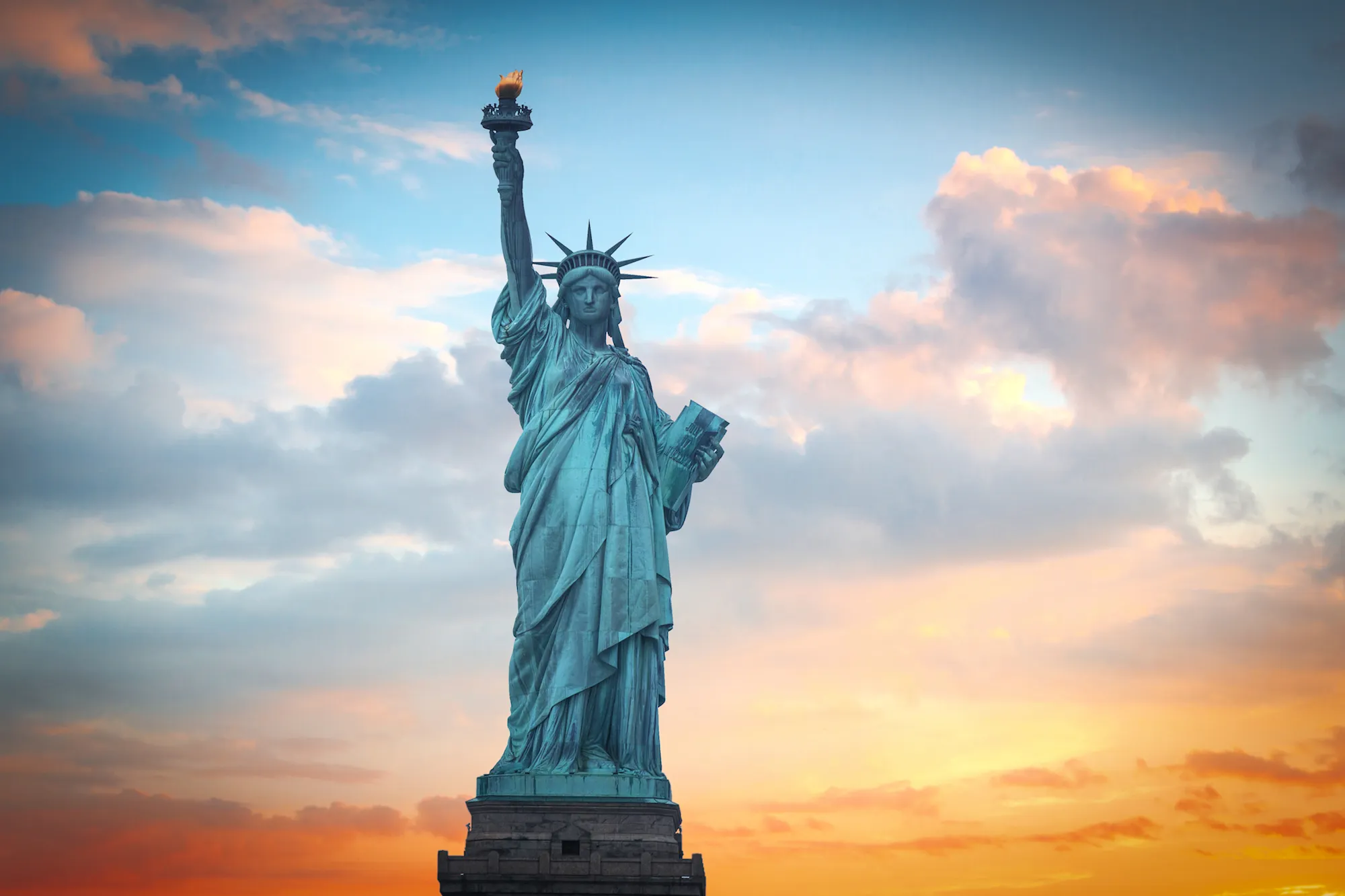
The Survivor Tree: Story, Care, and Seasons on the Plaza
Discover the Survivor Tree’s journey, how arborists care for it, and what to look for in each season when you visit the Memorial plaza.
→
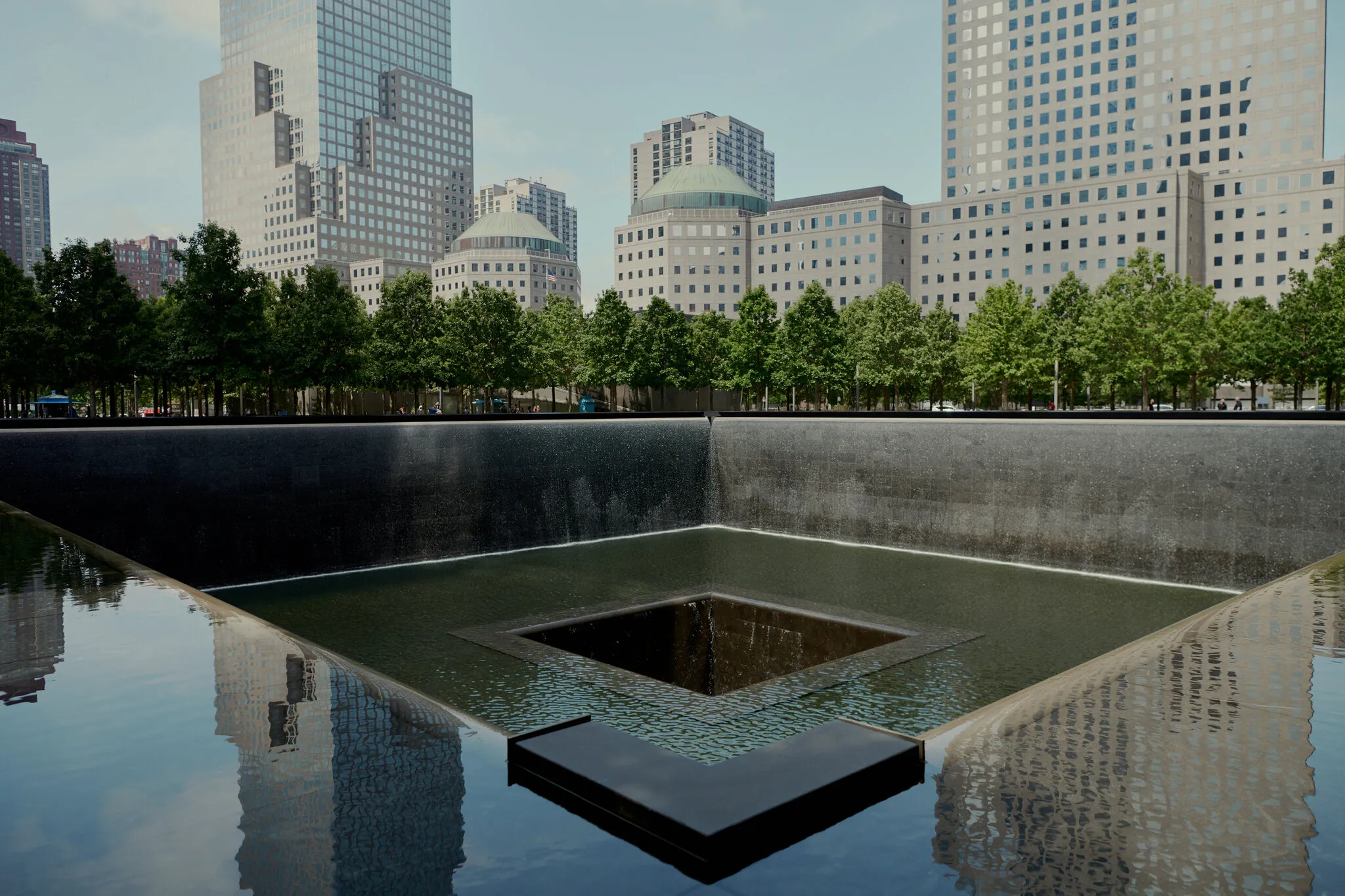
Memorial Pools & Design: Reflecting Absence and the Plaza Landscape
Explore the architecture of the Memorial pools, the plaza’s grove, and how water, bronze, and light shape the experience at the site.
→
Inside the Museum: A Calm, Structured Walk Through the Historical Exhibition
How to navigate the Historical Exhibition with care: pacing, audio options, quiet spaces, and what to expect in each thematic area.
→
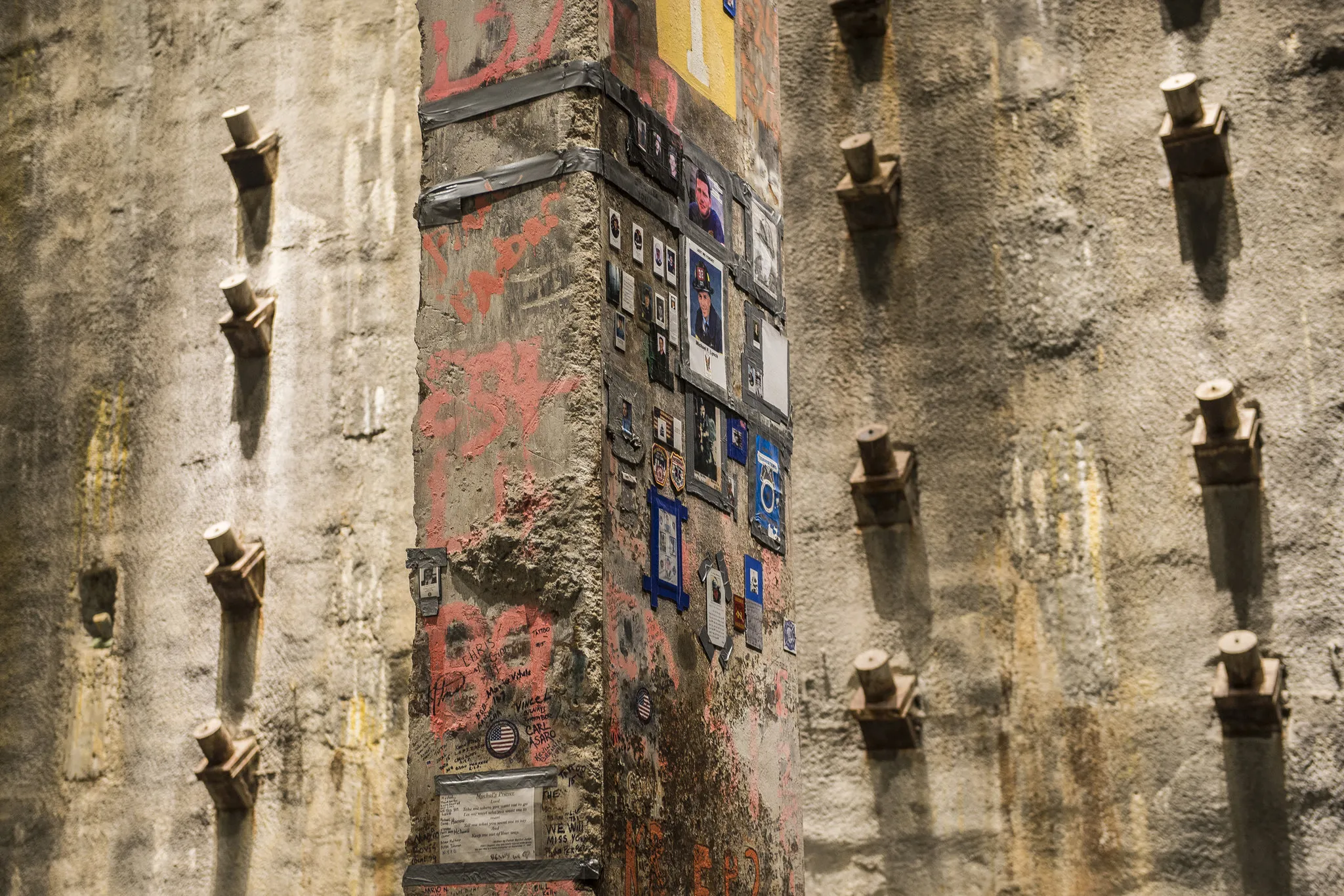
Foundation Hall and the Last Column: Scale, Memory, and Farewells
Meet the slurry wall and the Last Column — two anchors of the museum experience — and learn how to approach them with attention.
→
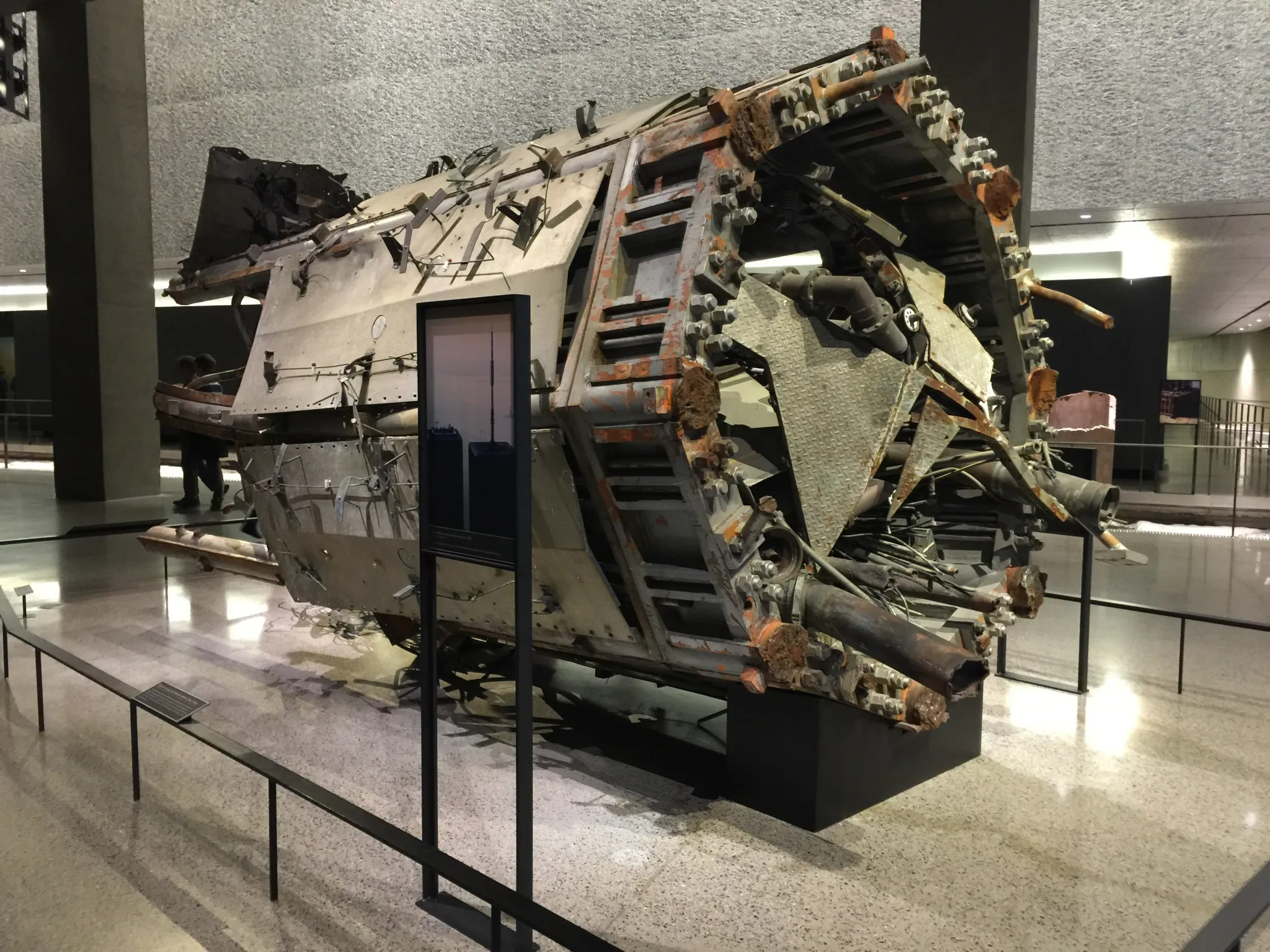
Visiting with Kids: A Gentle Guide to the 9/11 Memorial & Museum
Practical advice for visiting with children: preparing, pacing, and choosing spaces that support a respectful, age‑appropriate experience.
→
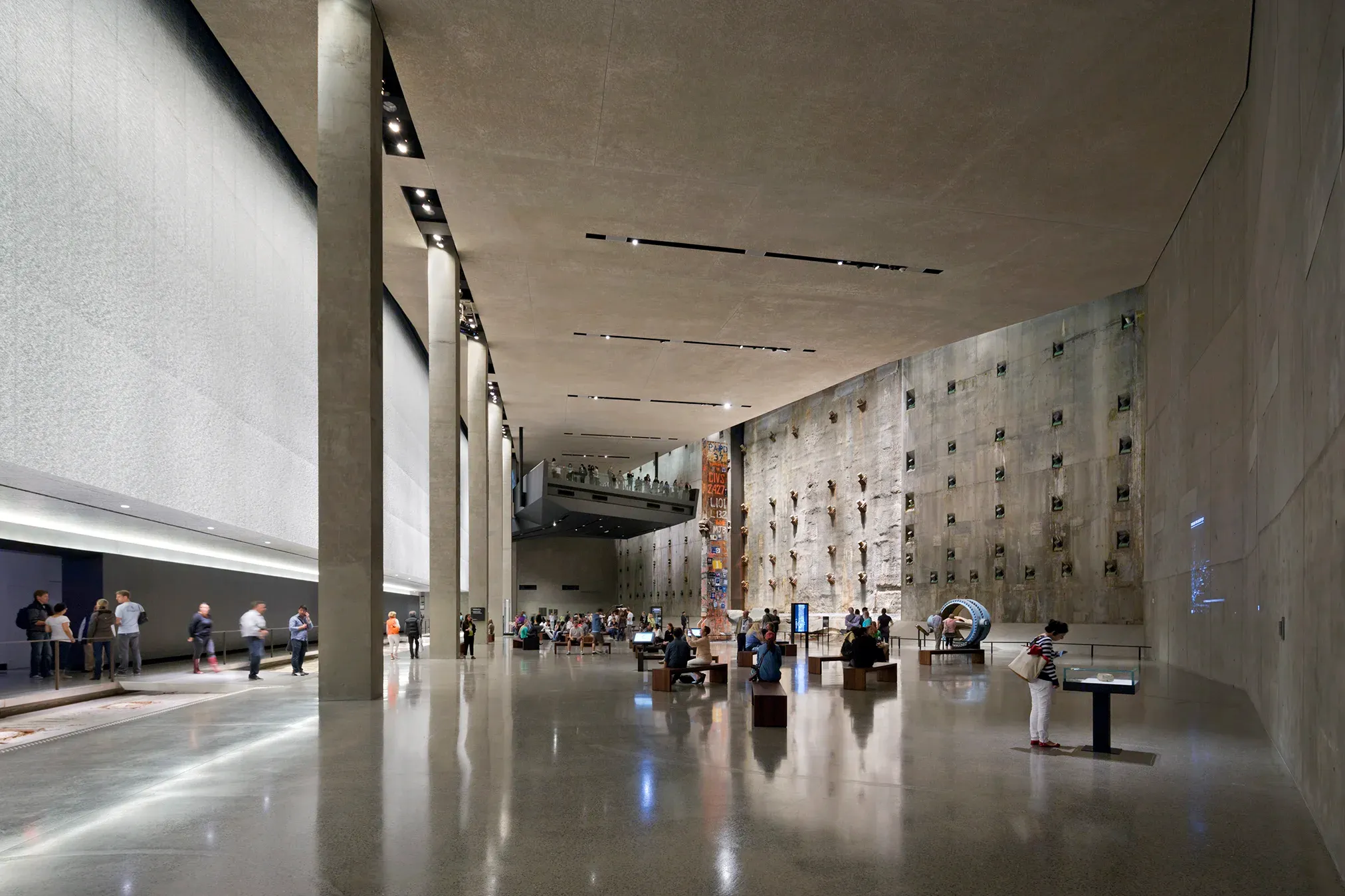
Accessibility at the 9/11 Memorial & Museum: Routes, Services, and Tips
Step‑free access, services, and planning considerations to make your visit comfortable — including elevators, seating, and sensory pacing.
→
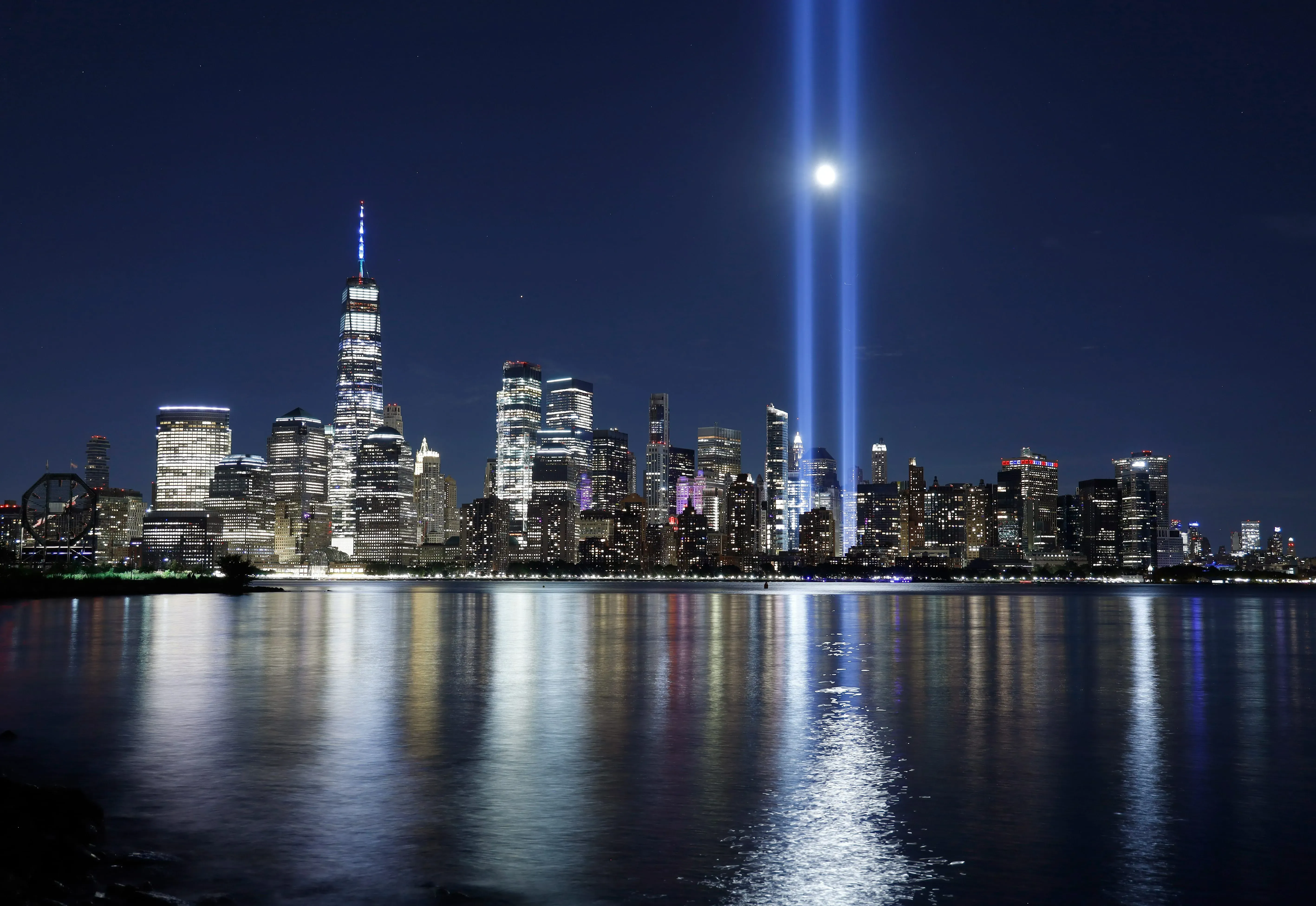
Tribute in Light: When, Where, and How to See It Respectfully
A practical viewing guide to Tribute in Light: vantage points, timing, and etiquette for experiencing this annual installation.
→
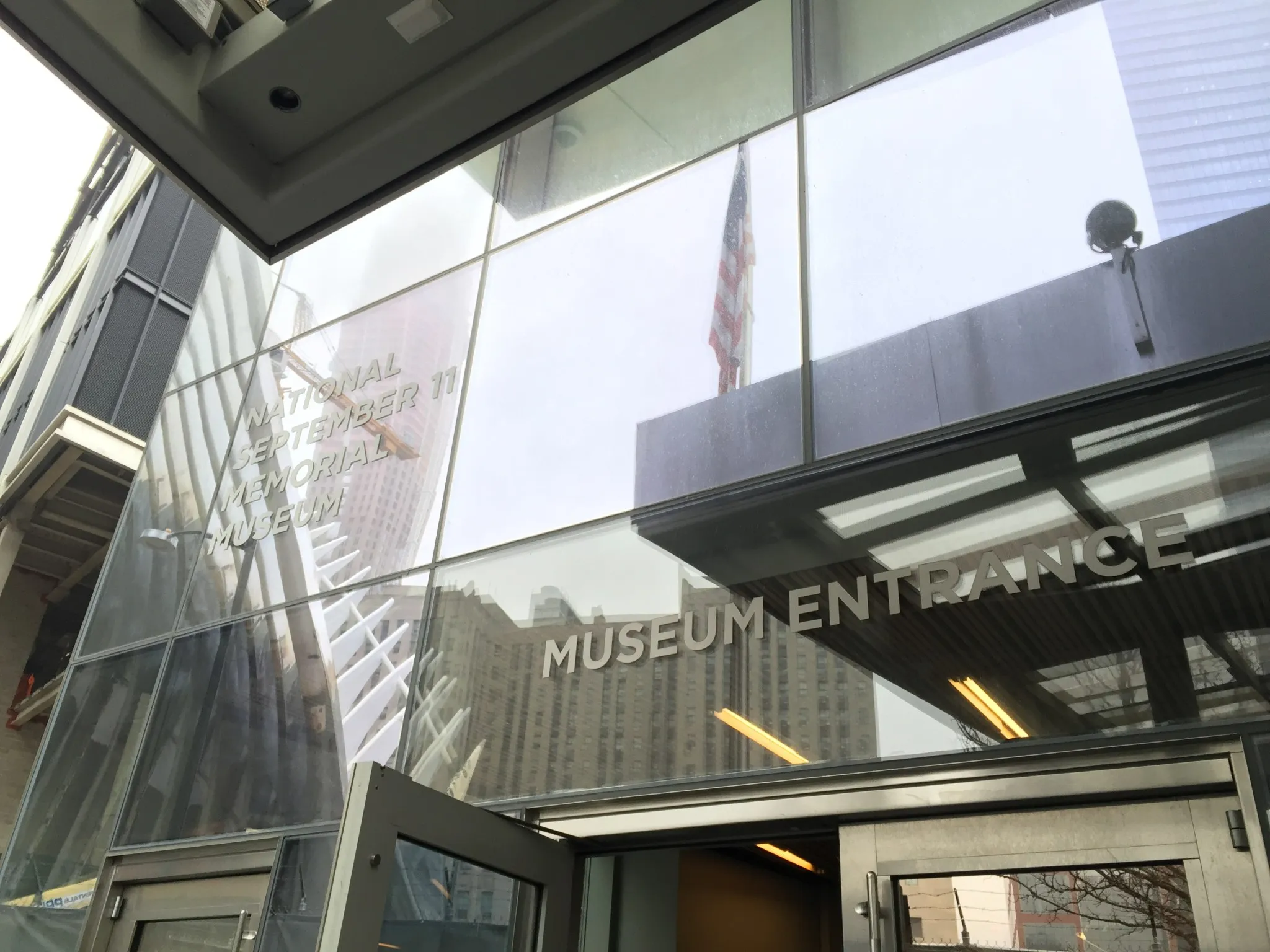
Getting There & Security: Subways, PATH, Screening, and Timing
All the ways to reach the 9/11 Memorial & Museum, plus security screening, bag guidance, and timing suggestions for a smoother visit.
→
Audio Guides and Tours: Options for Different Learning Styles
Compare audio guides, guided tours, and self‑paced routes to find a learning approach that matches your time and preferences.
→
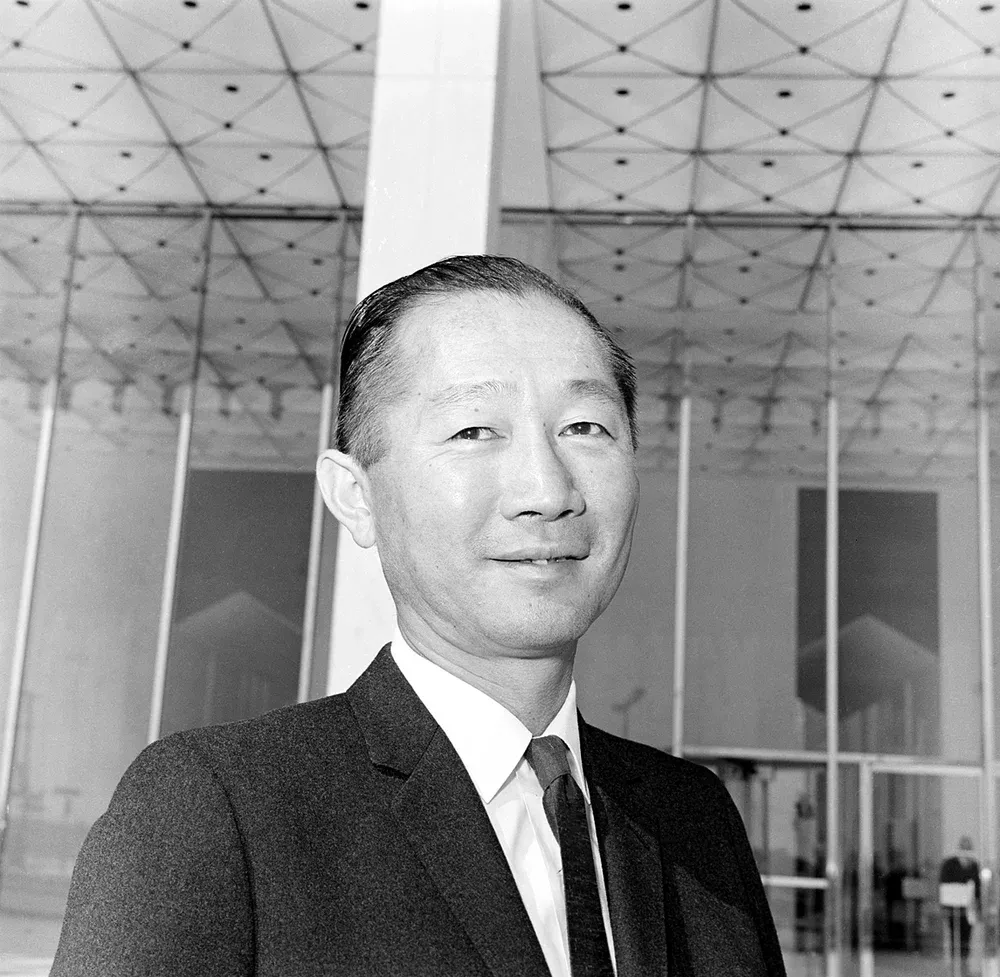
Minoru Yamasaki: Design Philosophy and the World Trade Center
Explore Minoru Yamasaki’s design thinking for the original World Trade Center and how its spirit informs reflection at the Memorial and Museum.
→
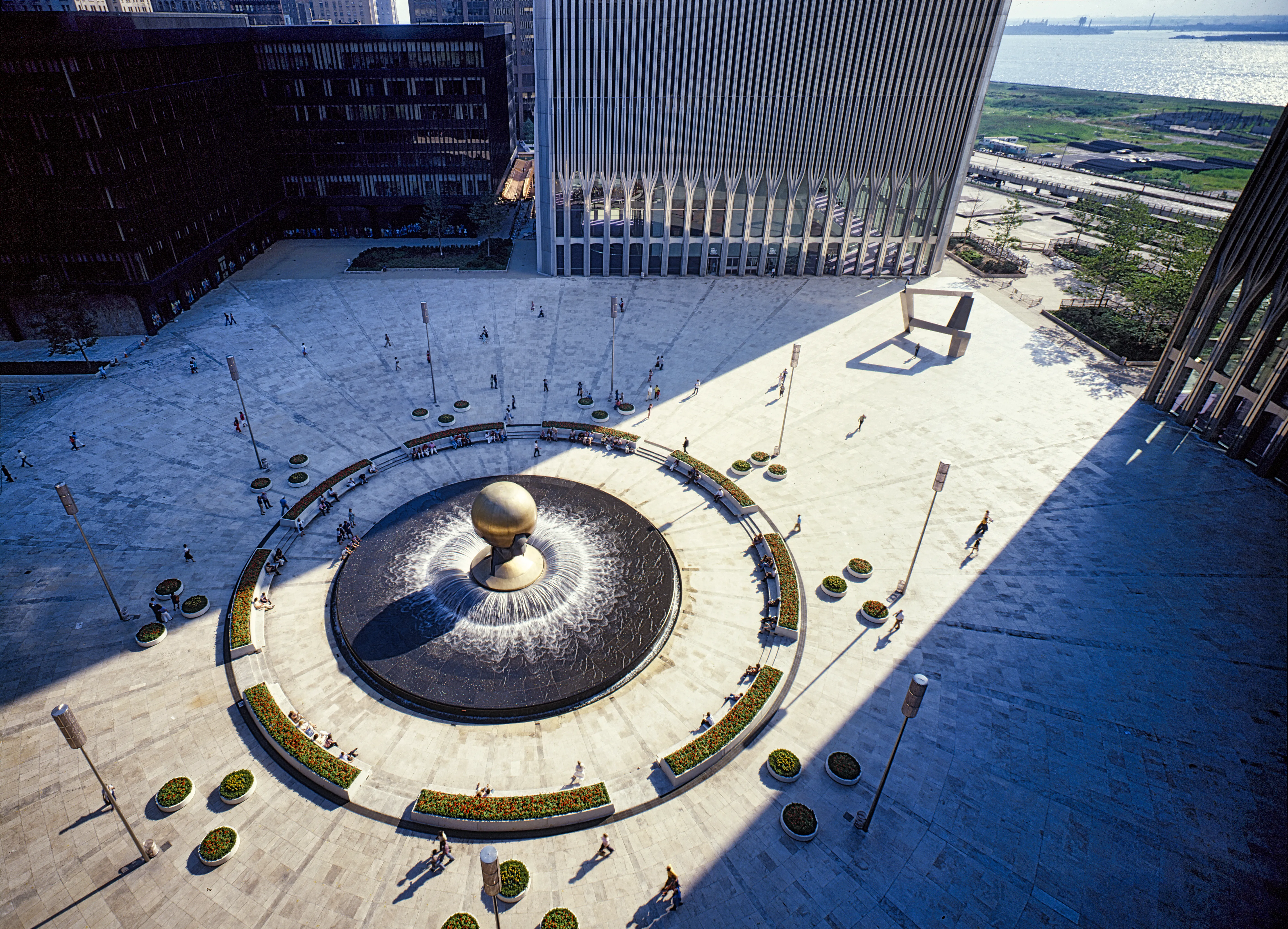
Austin J. Tobin Plaza: Movement, Scale, and City Life
A look at the former plaza’s everyday rhythms and how public space shaped encounters with the towers — a lens for reading the Memorial’s landscape today.
→
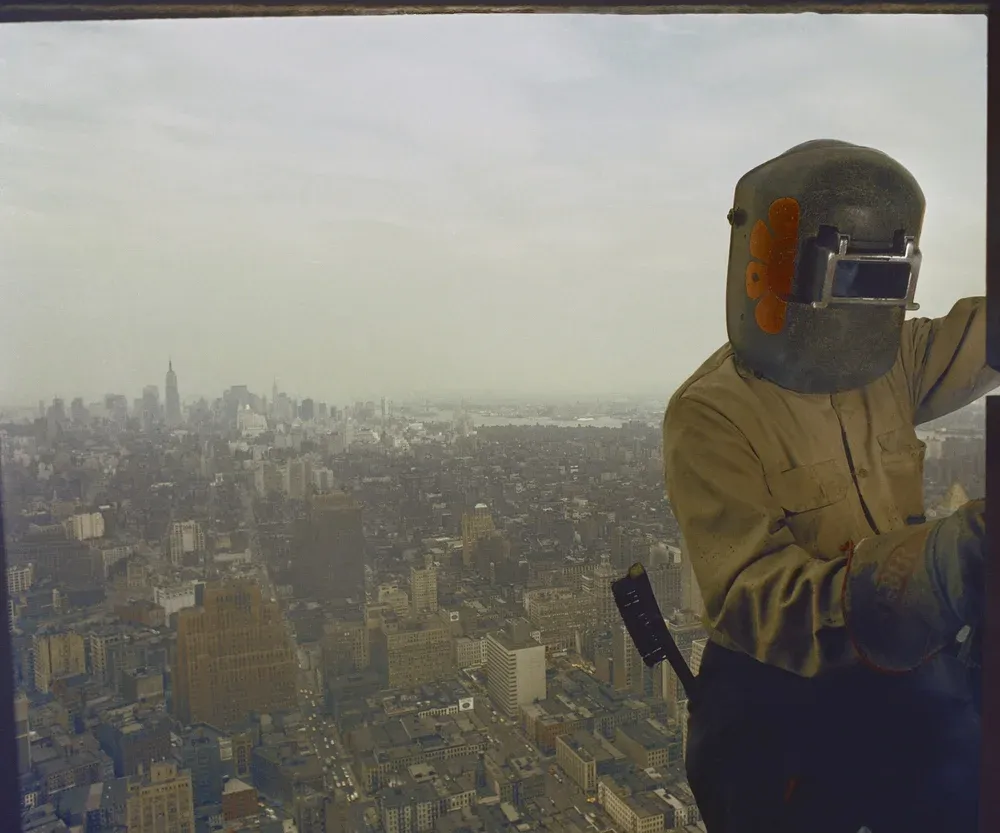
Building the Towers: Workers, Welders, and the Making of a Skyline
Stories of the workforce that raised the towers — focusing on craft, safety, and teamwork — and how the Museum honors their labor.
→
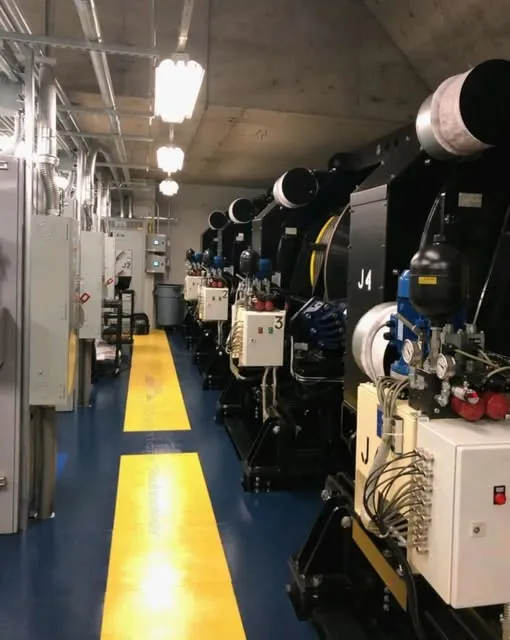
Inside the Elevators: Vertical Transportation and Daily Rhythm
How elevators shaped everyday movement in the towers, with an eye to machine rooms, maintenance, and the quiet engineering behind vertical transit.
→
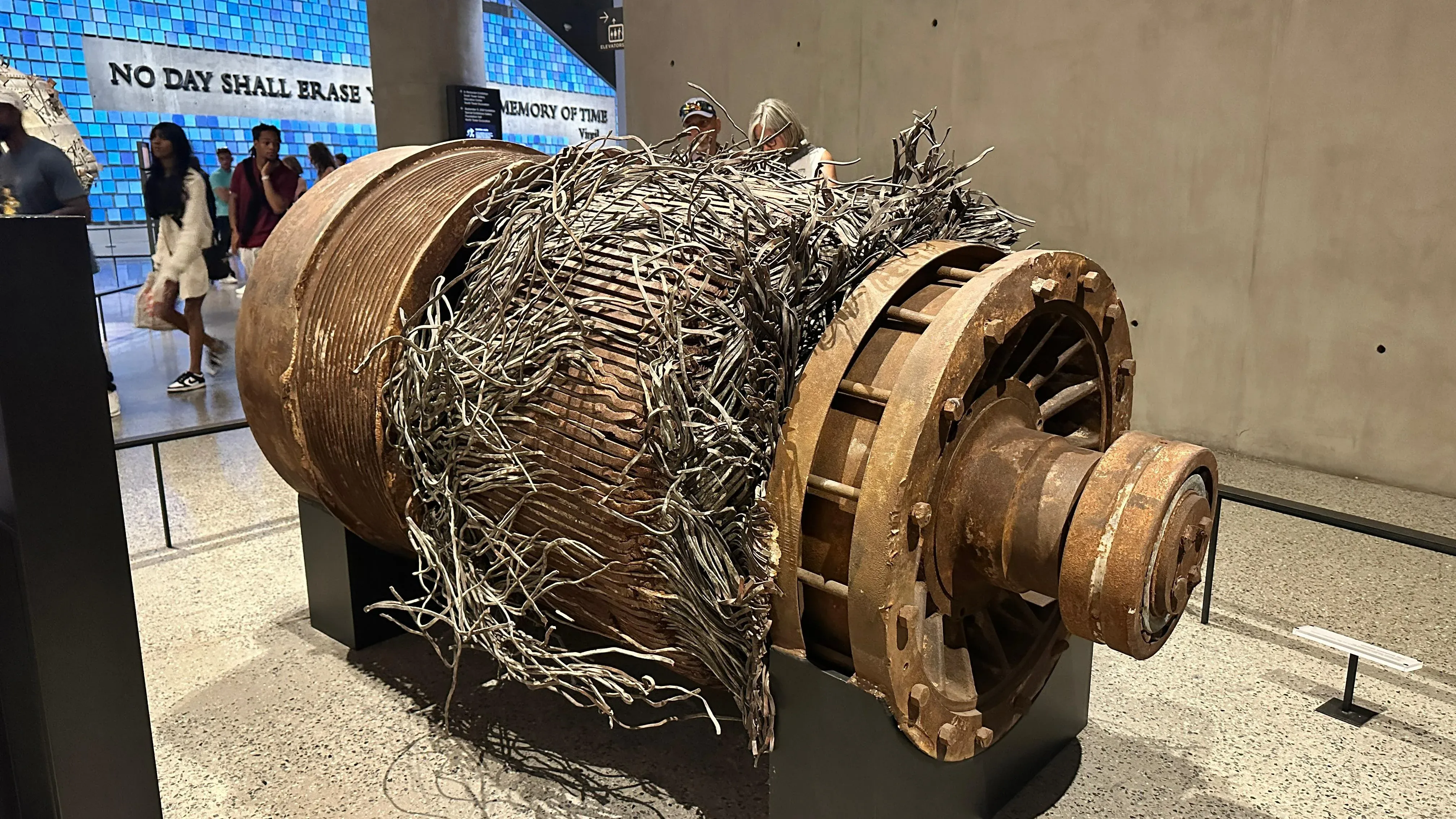
Elevator Motors and Machine Rooms: Engineering Notes
A closer look at motors, power, and controls, connecting machinery to the lived experience of moving through tall buildings.
→
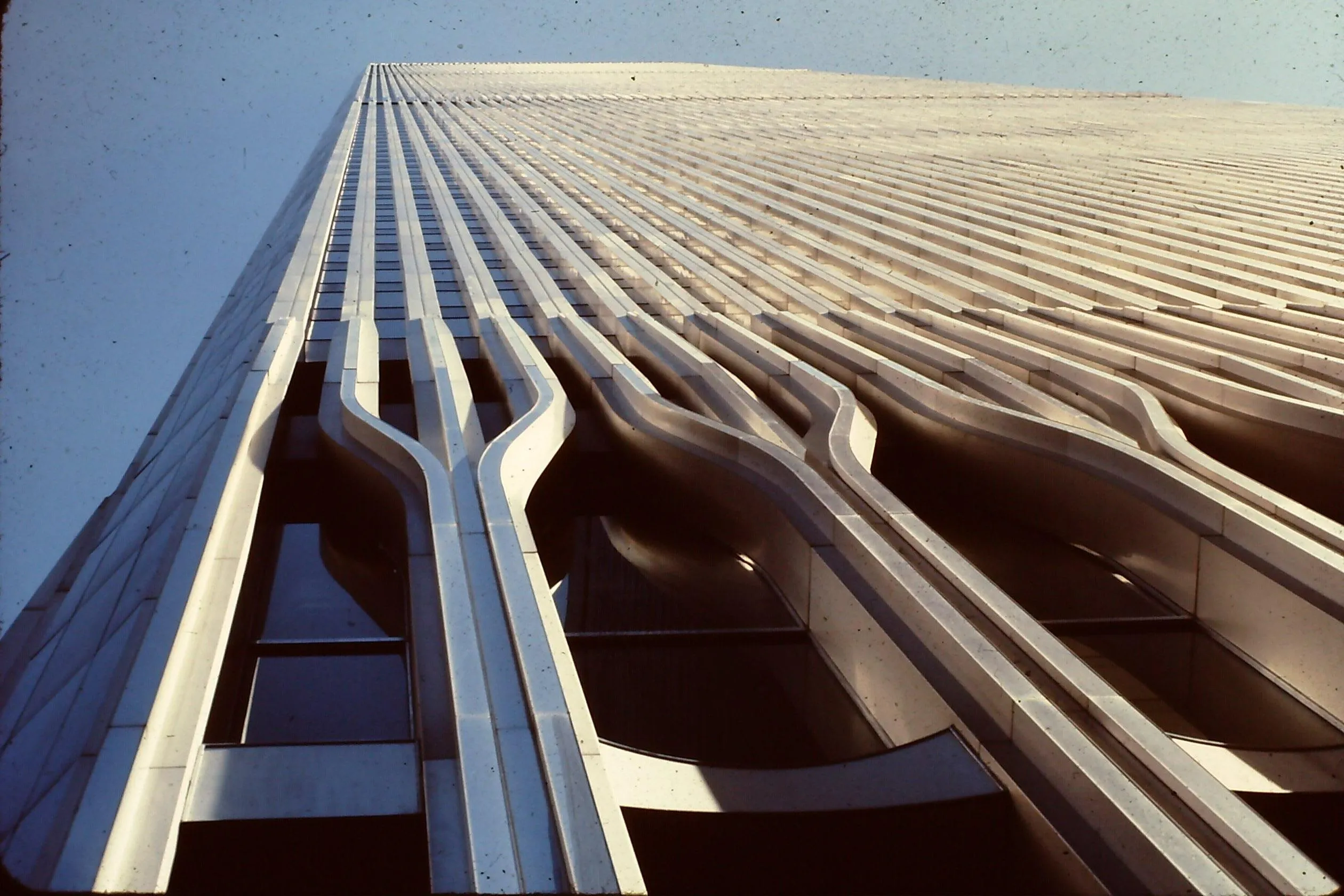
Facade and Tridents: Steel, Glass, and Urban Light
Understand the original facade’s tridents, steel scale, and interplay with light — and how remnants frame reflection inside the Museum.
→
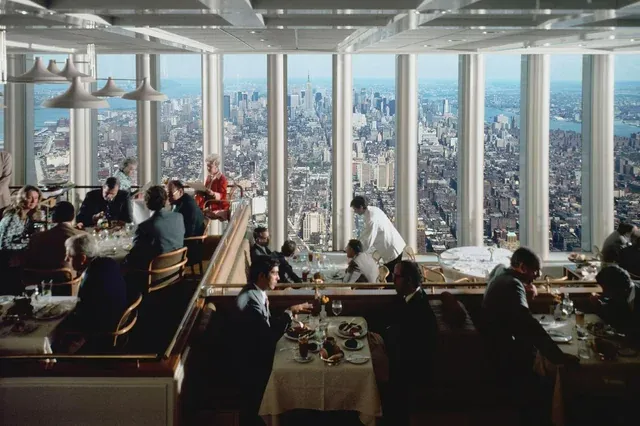
Windows on the World: Dining in the Sky (1976)
A gentle history of city life at altitude — the restaurant’s role in New York’s culture and how memories are honored today.
→
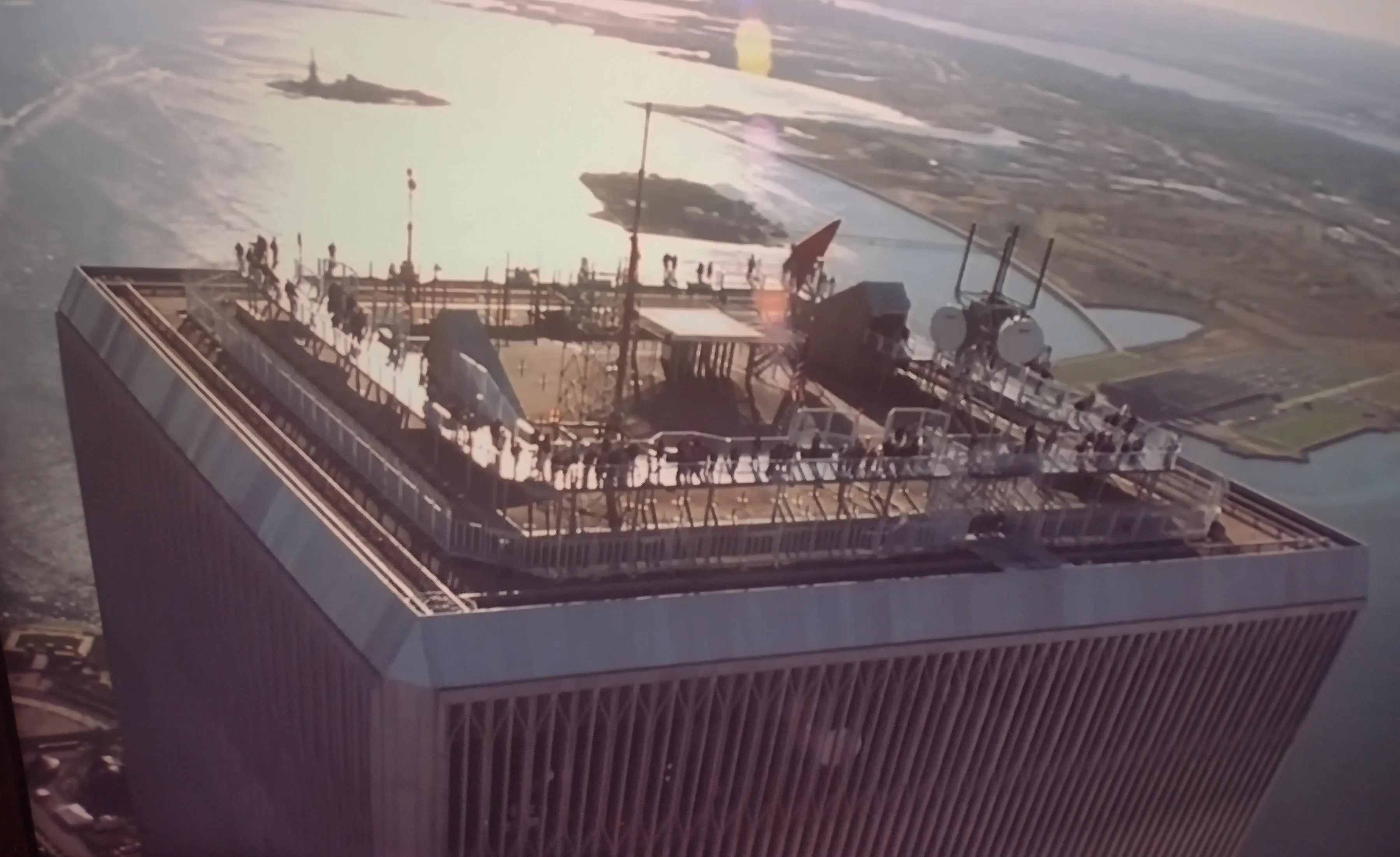
Observation Deck: Views and Quiet Moments (1990)
A short history of the observation deck experience and how visitors sought calm and perspective high above the city.
→
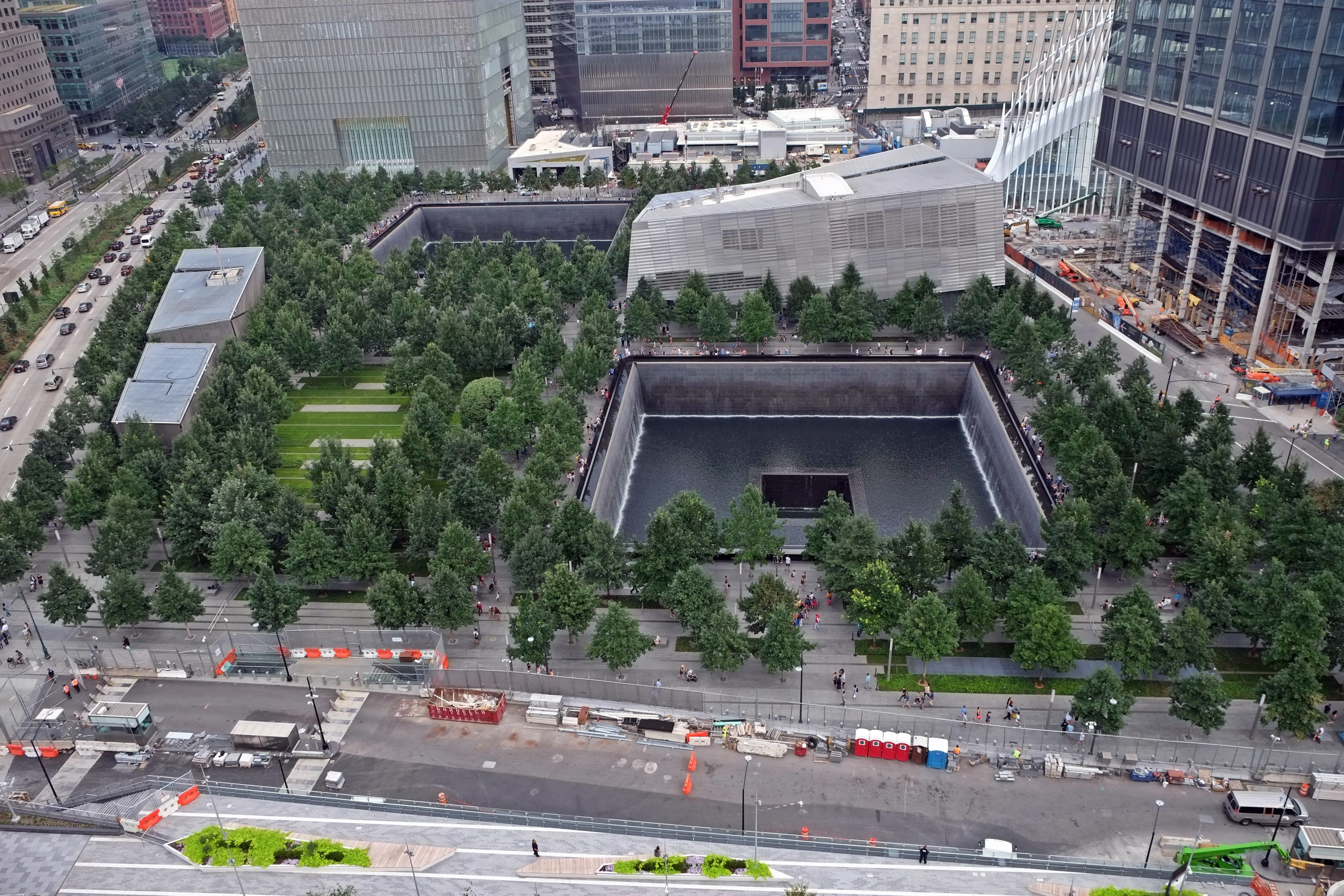
Aerial Views: Reading Lower Manhattan from Above
How aerial perspectives reveal connections — rivers, neighborhoods, and landmarks — that frame the Memorial and Museum in the city’s fabric.
→
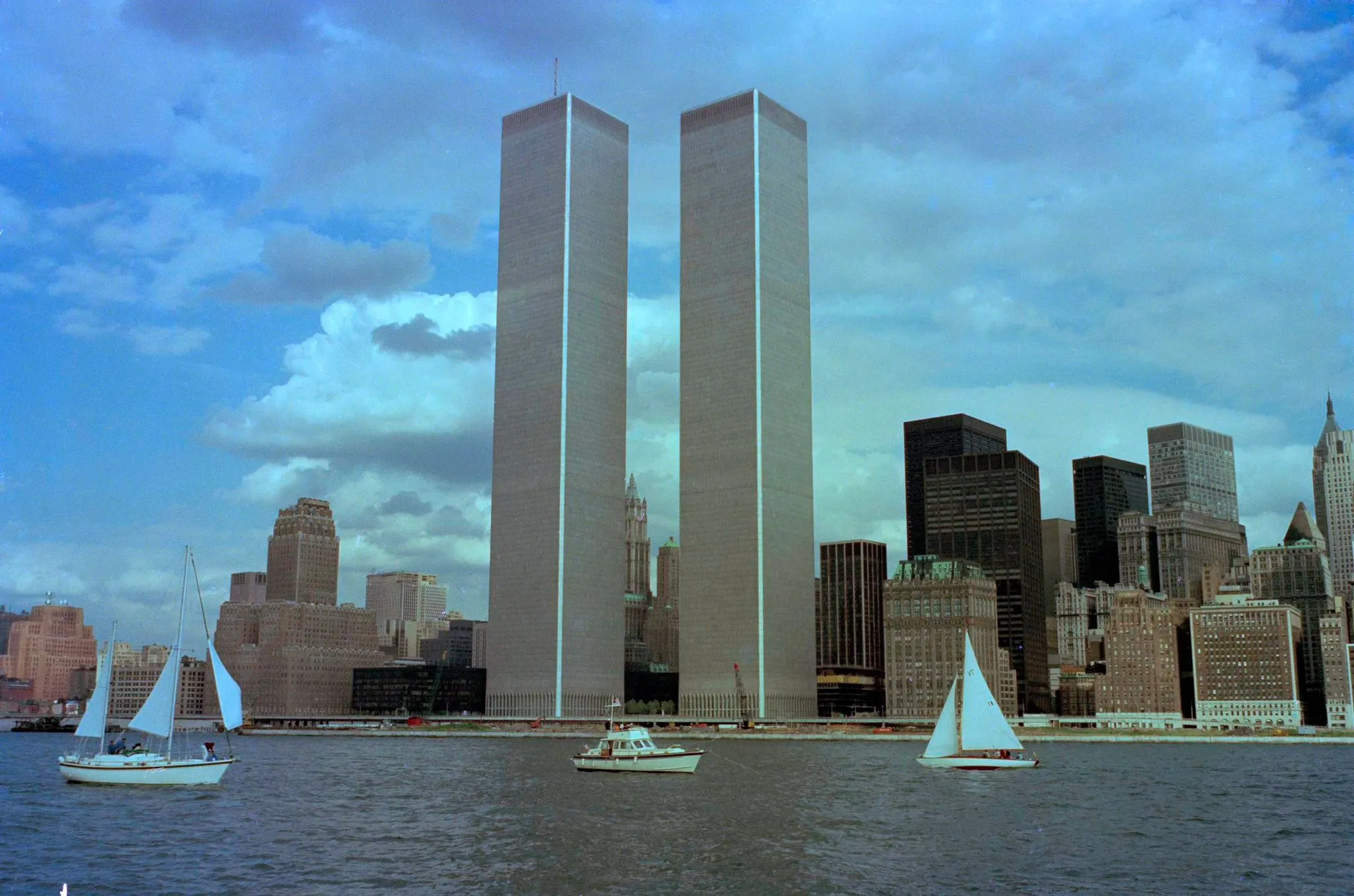
From the Hudson: Approaching the Site by Waterfront
A contemplative approach along the Hudson — how light, wind, and water set the tone for visiting the Memorial and Museum.
→
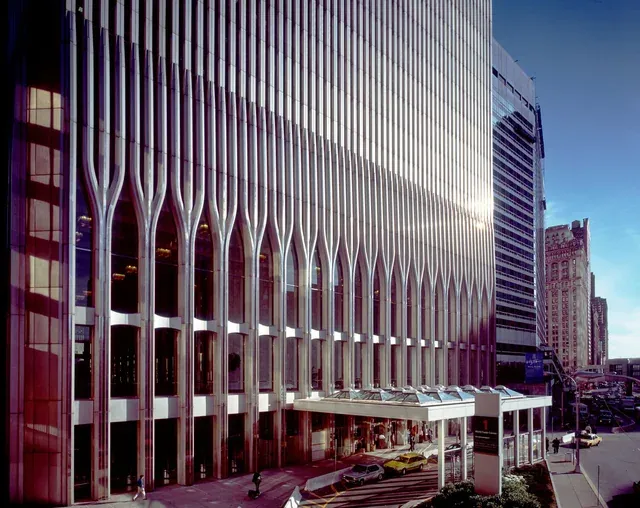
Lobby and Arrival: Pre‑2001 Circulation and Scale
How lobbies framed daily arrival — materials, light, and movement — and how those design lessons inform reading museum spaces today.
→
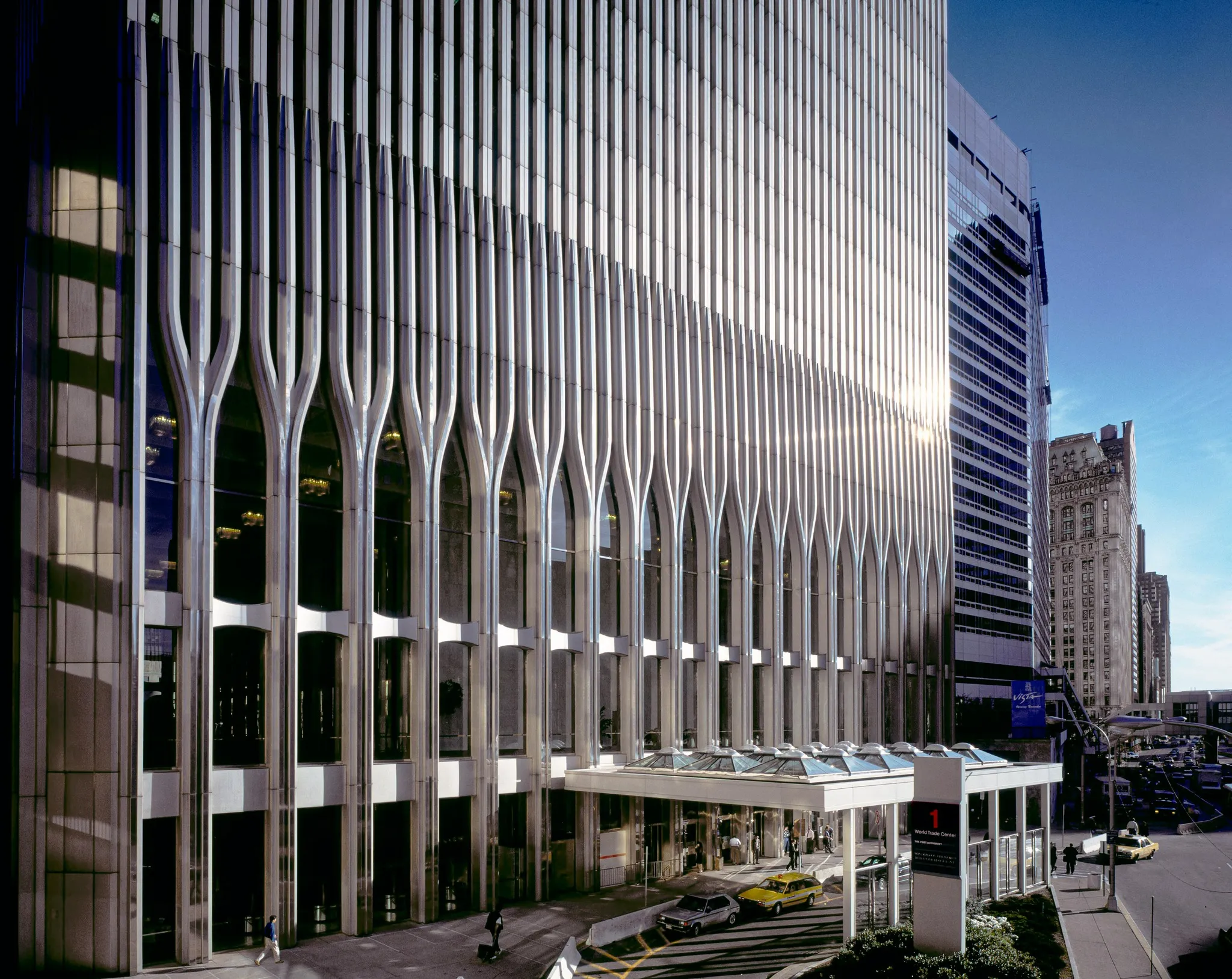
North Tower Entrance (1995): Thresholds and Everyday City Life
A moment in time: reading entrances as thresholds between street and tower life, with attention to materials, signage, and flow.
→
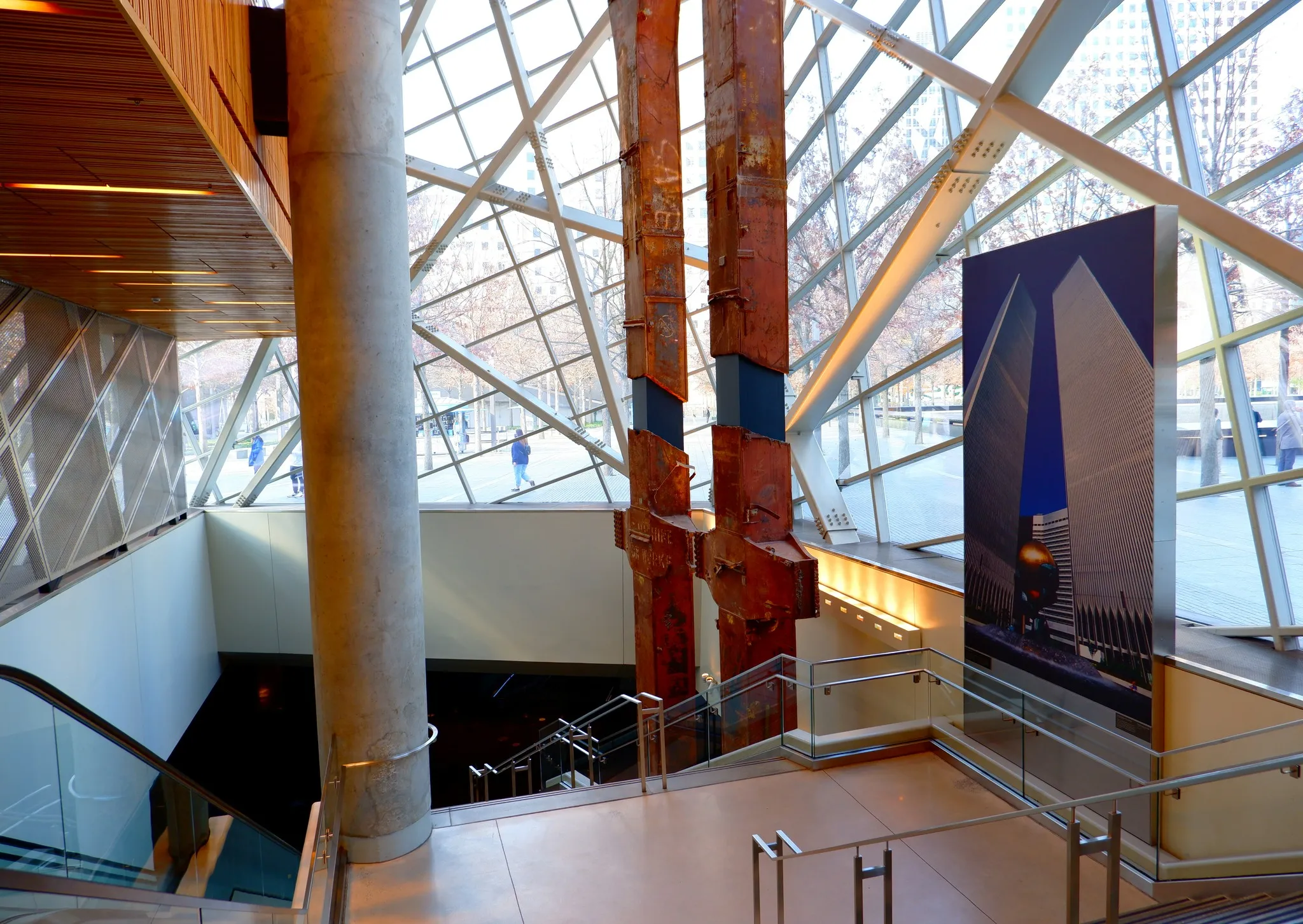
Survivors’ Stairs: A Pathway Preserved
The story of the Survivors’ Stairs — relocation, preservation, and how to approach this artifact with attention and care.
→
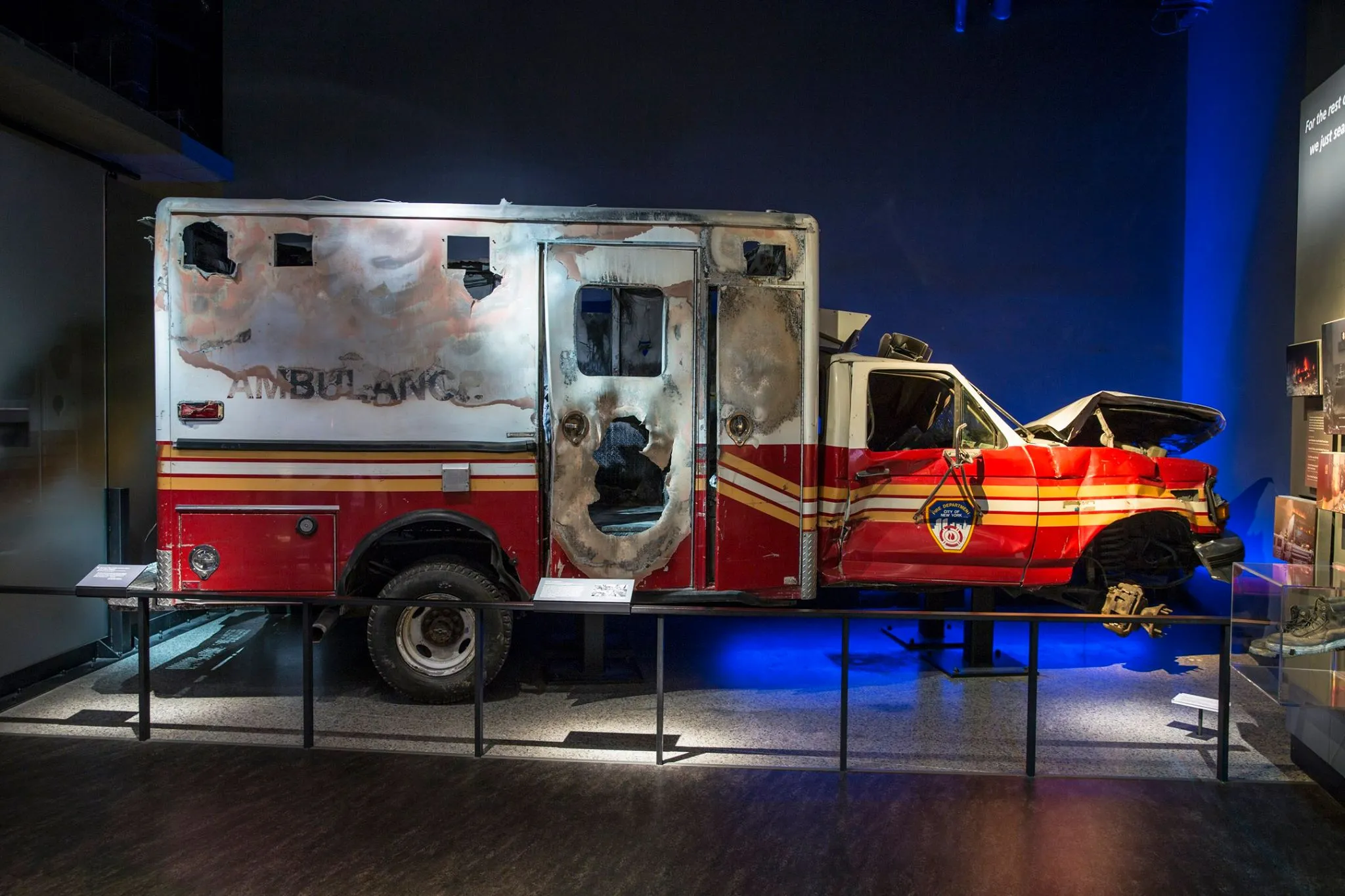
Artifacts of Service: Ambulance and Tools in the Museum
A respectful look at service artifacts — including an ambulance — and how the Museum interprets work, care, and response.
→
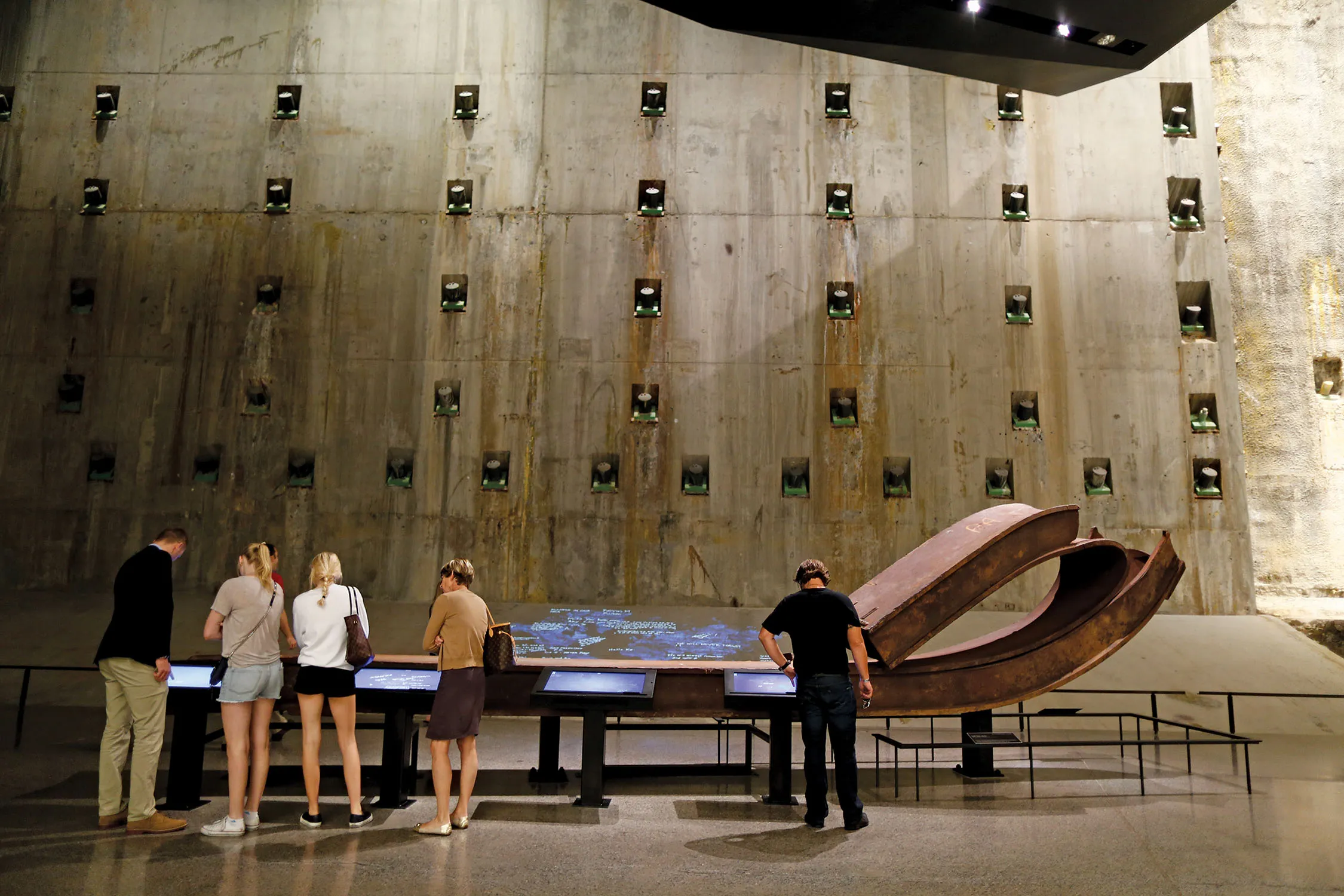
Shaped Steel and Memory: Reading Industrial Remains
How to read industrial remains — forms, forces, and materials — with a focus on respectful observation and learning.
→
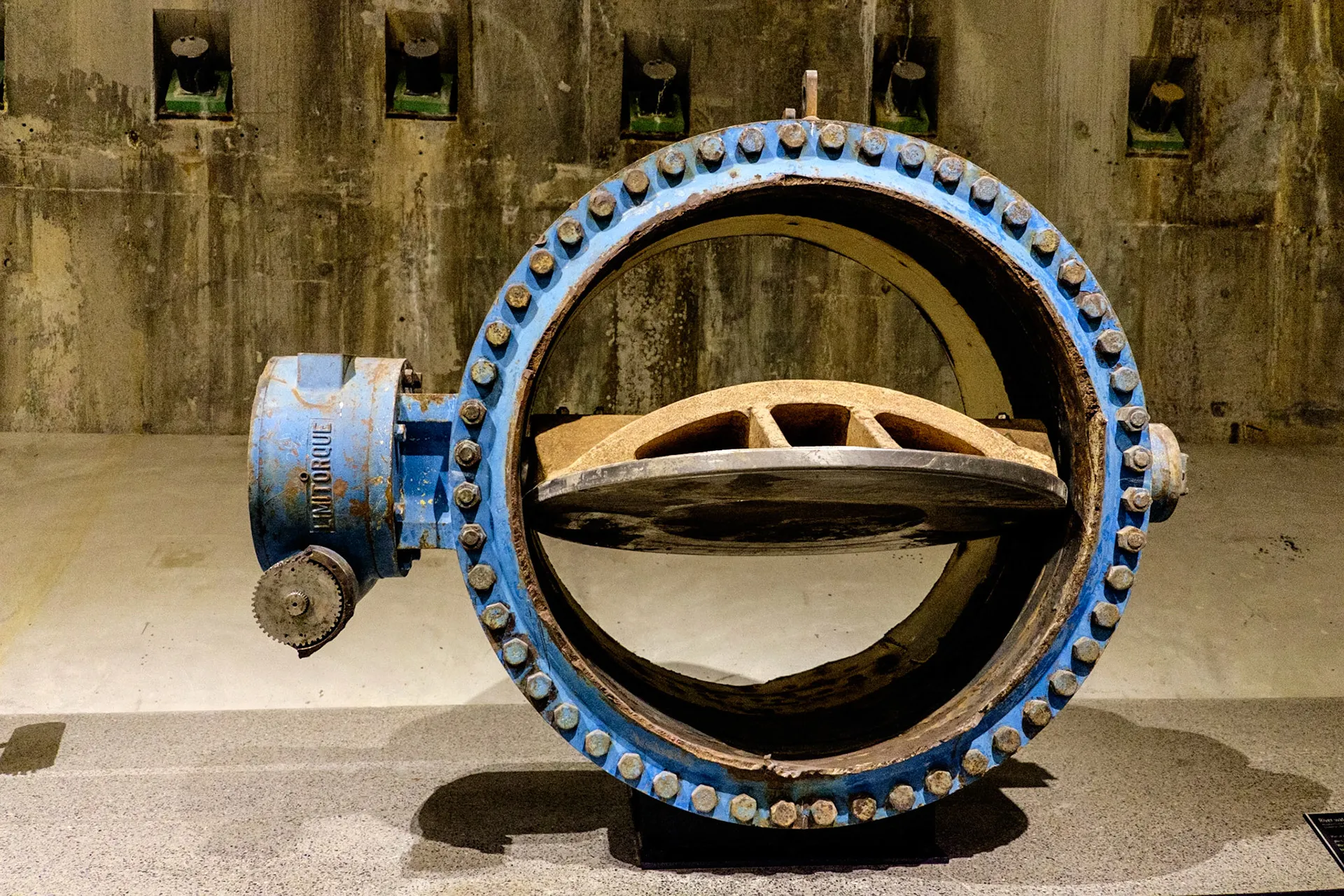
Valves and Infrastructure: The Hidden Systems of a City
A gentle exploration of infrastructure — valves and systems — that supported daily life, and how artifacts help us appreciate the unseen.
→
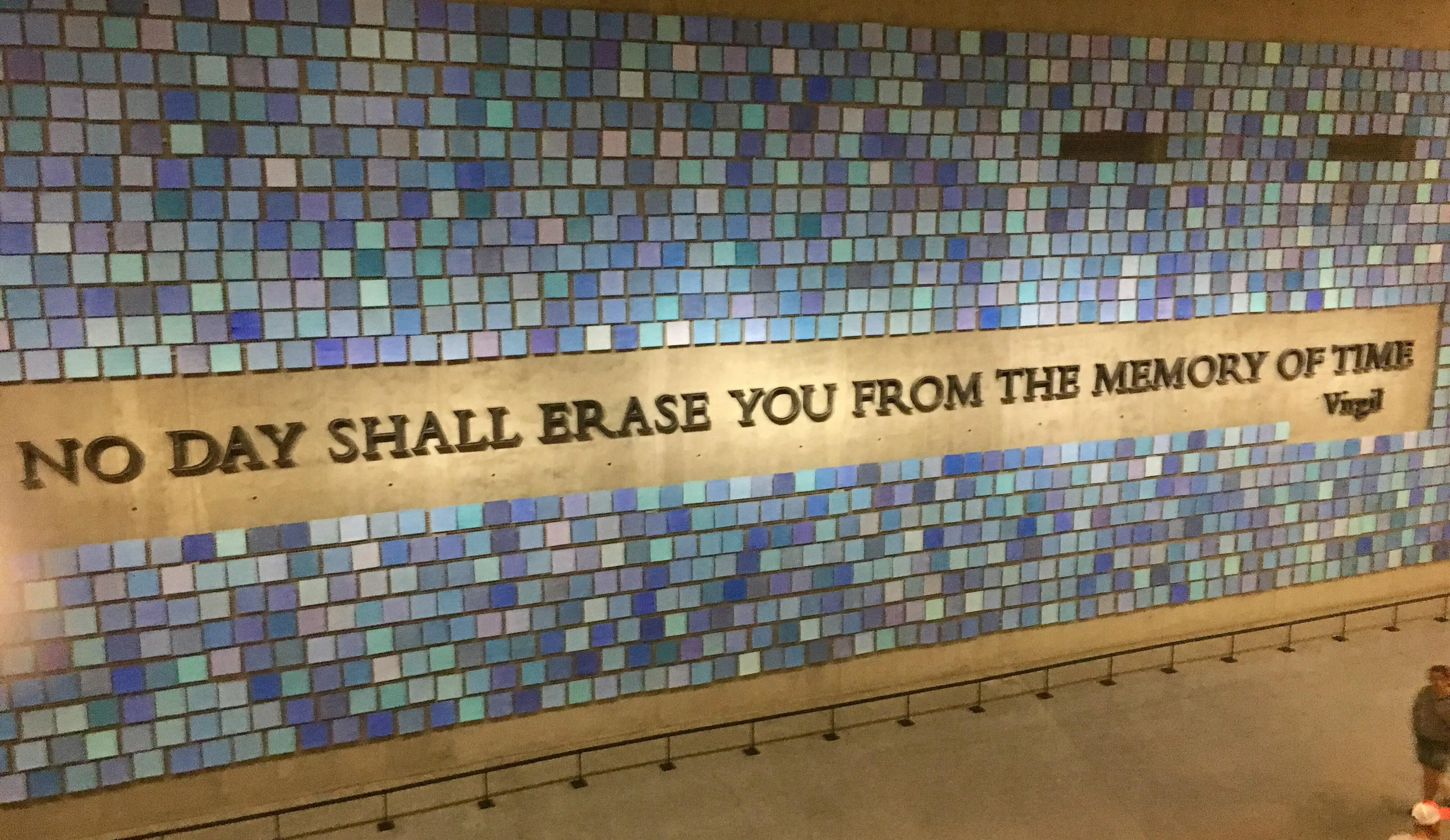
Words on the Wall: Text, Silence, and Reflection
How textual installations guide reflection, using language and quiet to frame the visitor experience inside the Museum.
→
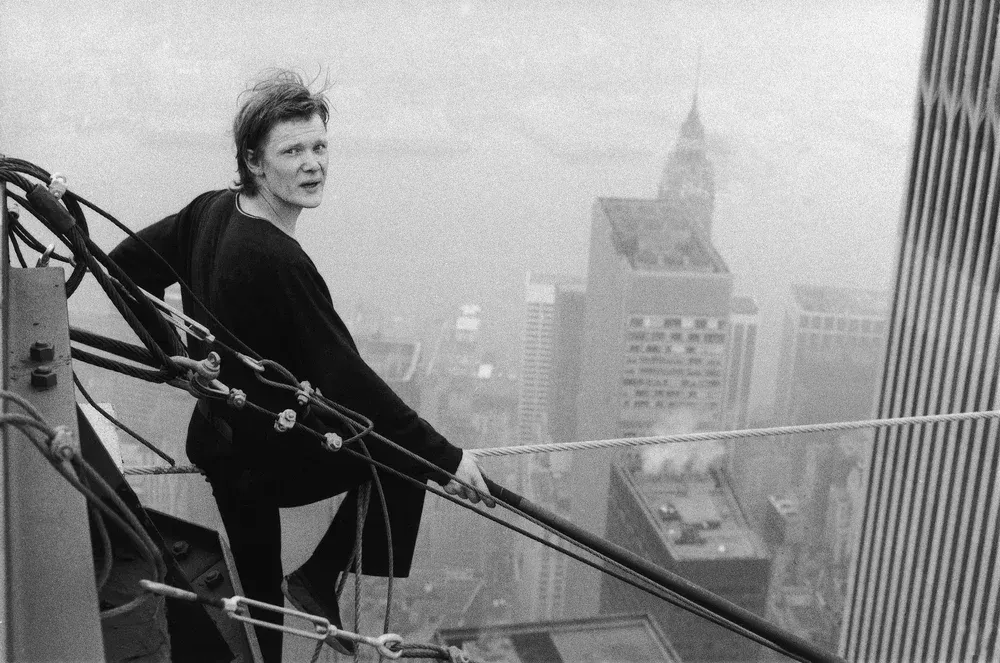
The Tightrope Walk: Philippe Petit’s 1974 Crossing
A respectful look at an extraordinary artistic moment — balance, preparation, and the city’s reaction — in the broader story of the towers.
→
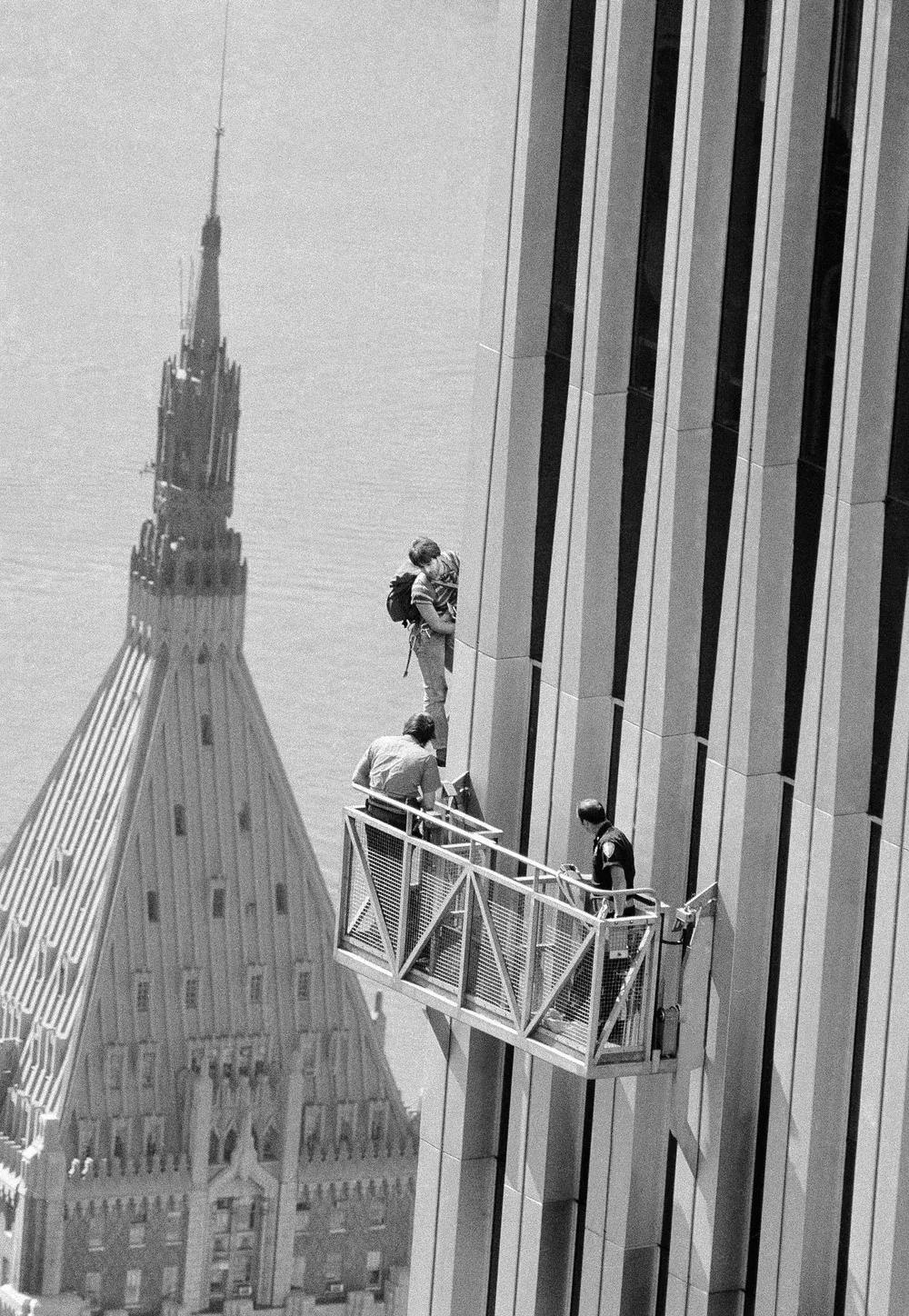
Climbing the Towers: George Willig’s 1977 Ascent
The story of a daring climb — preparation, city response, and how such moments are read within the broader history of the site.
→
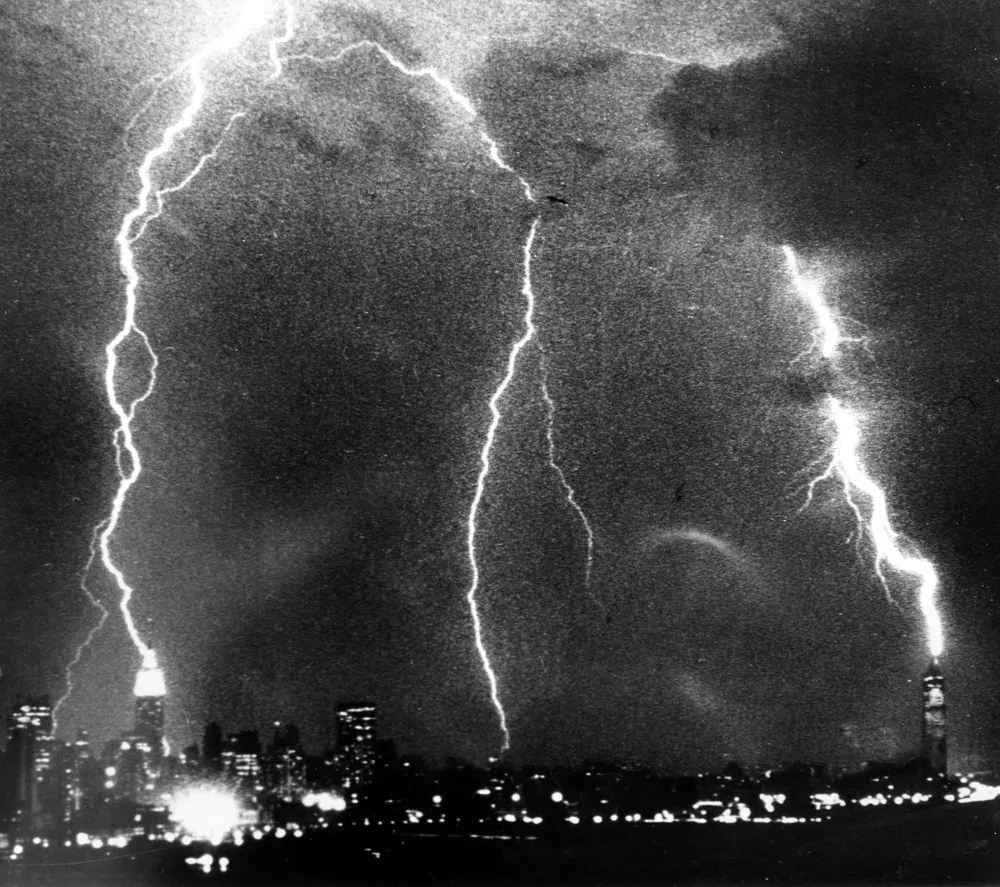
Lightning and Skyline: Weather as City Theater
Using weather around the towers as a lens — light, cloud, and storm — to see how environment shapes city images and memory.
→