
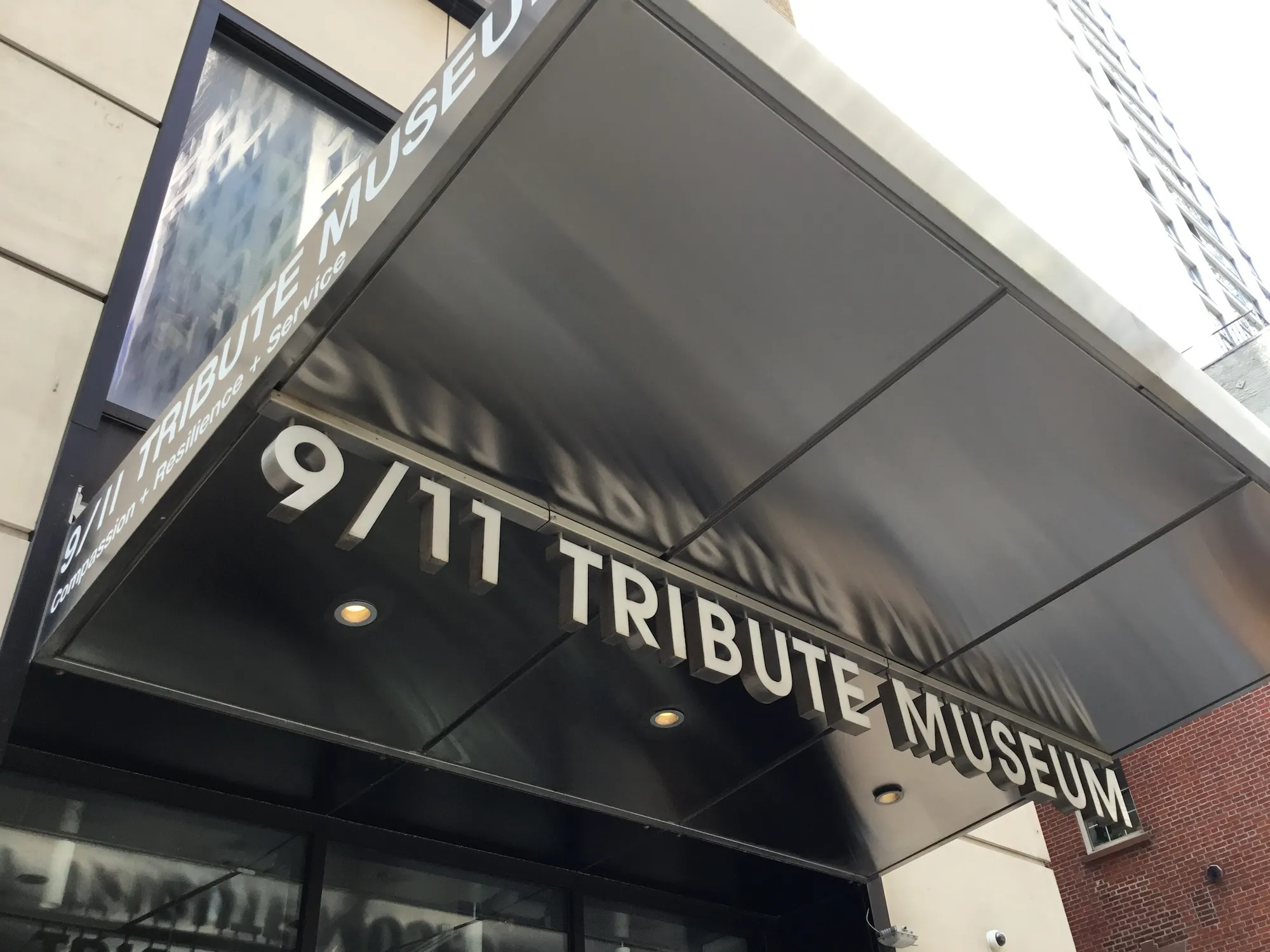

A place of memory — visit with care
The 9/11 Memorial honors the lives lost and the courage shown on September 11, 2001 and February 26, 1993.
The Museum offers historical context through artifacts, testimonies, and exhibits that invite reflection.
Please approach your visit with quiet respect and allow time to walk the plaza, read the names, and spend time in the galleries..
National September 11 Memorial & Museum Visiting timetable
Opening hours vary seasonally. Timed entry is required for the Museum. The outdoor Memorial is typically open daily. Last Museum entry is usually 1–2 hours before closing.
National September 11 Memorial & Museum Closing Days
Select holidays and special observances may affect hours. The Memorial remains open in most conditions; closures may occur due to weather or maintenance.
Where is Located
180 Greenwich Street, New York, NY 10007, United States
How to get to the 9/11 Memorial & Museum
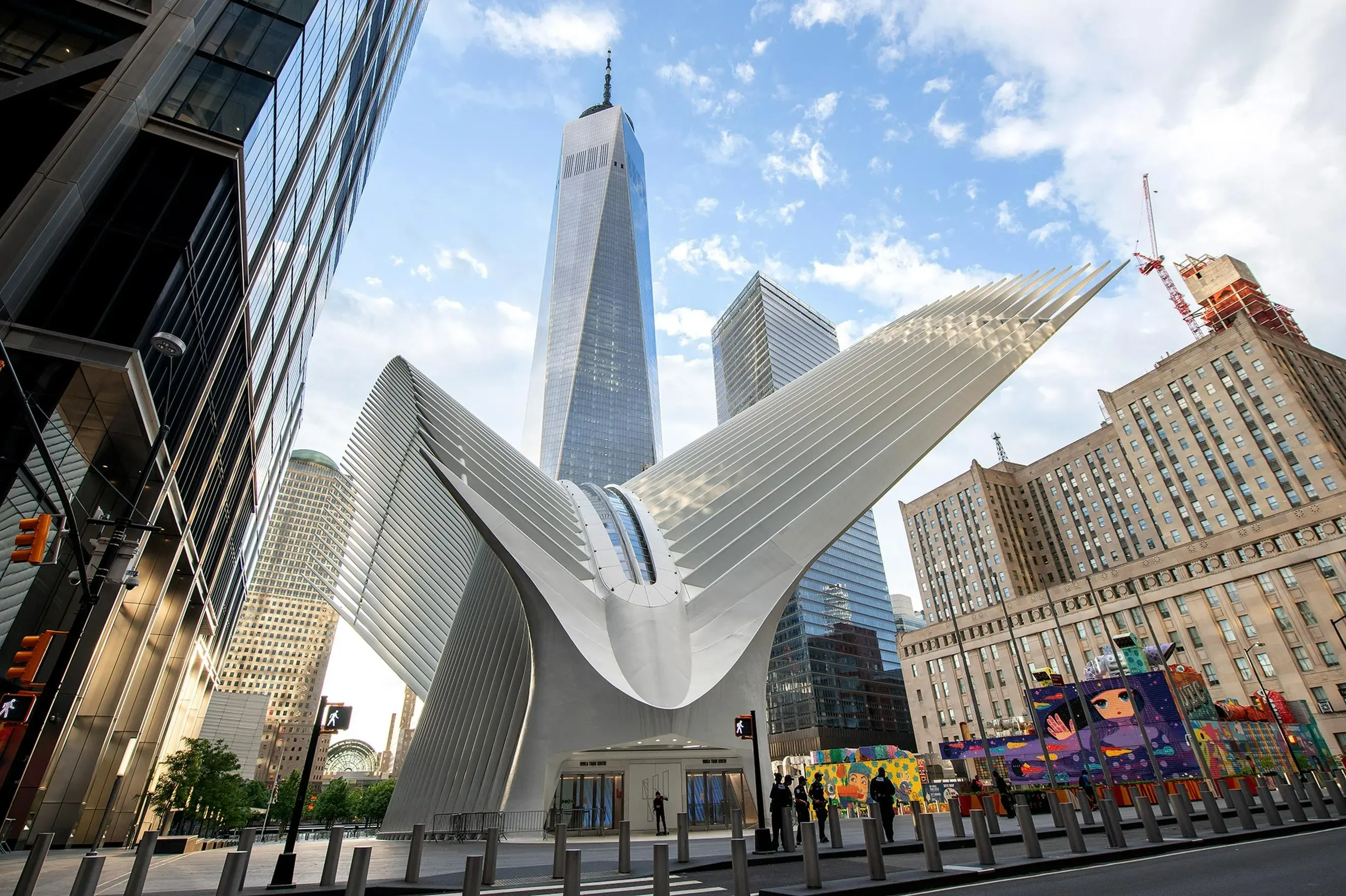
Located at the World Trade Center site in Lower Manhattan, the Memorial and Museum are well connected by subway, PATH, and bus. Entrances are near Greenwich Street and Liberty Street; the Oculus and Fulton Center provide indoor connections.
By Train
Subway: E to World Trade Center; R/W to Cortlandt Street; 1 to WTC–Cortlandt; A/C to Chambers Street; 2/3 to Park Place; 4/5 to Fulton Street. PATH trains connect directly to the World Trade Center from New Jersey.
By Car
Driving is not recommended due to limited parking and street restrictions. Nearby garages may be available; plan extra time for security and walking from parking. Consider public transit or taxis.
By Bus
Numerous city buses serve Lower Manhattan and Fulton Street. Check MTA schedules and allow time for traffic. Tour coaches have designated pick-up/drop-off areas.
On Foot
From the Financial District, Tribeca, or the Seaport, it’s a short walk. Wayfinding signs around the World Trade Center campus point toward the Memorial Plaza.
Why visit the 9/11 Memorial & Museum
Reflect beside the twin Reflecting Pools, see the names inscribed in bronze, visit the Survivor Tree and Memorial Glade, and explore the Museum’s historical and commemorative exhibitions.
9/11 Memorial & Museum: The Ultimate Guide (Tickets, What to See, Routes, Tips)
Plan a thoughtful visit to the 9/11 Memorial & Museum: ticket options, timing, respectful etiquette, 12 top highlights, ...
Learn More →The Names on the 9/11 Memorial: Meaning, Order, and Storylines
Understand how names are arranged on the 9/11 Memorial, what ‘meaningful adjacencies’ are, and how to locate a specific ...
Learn More →
National September 11 Memorial & Museum
The Reflecting Pools
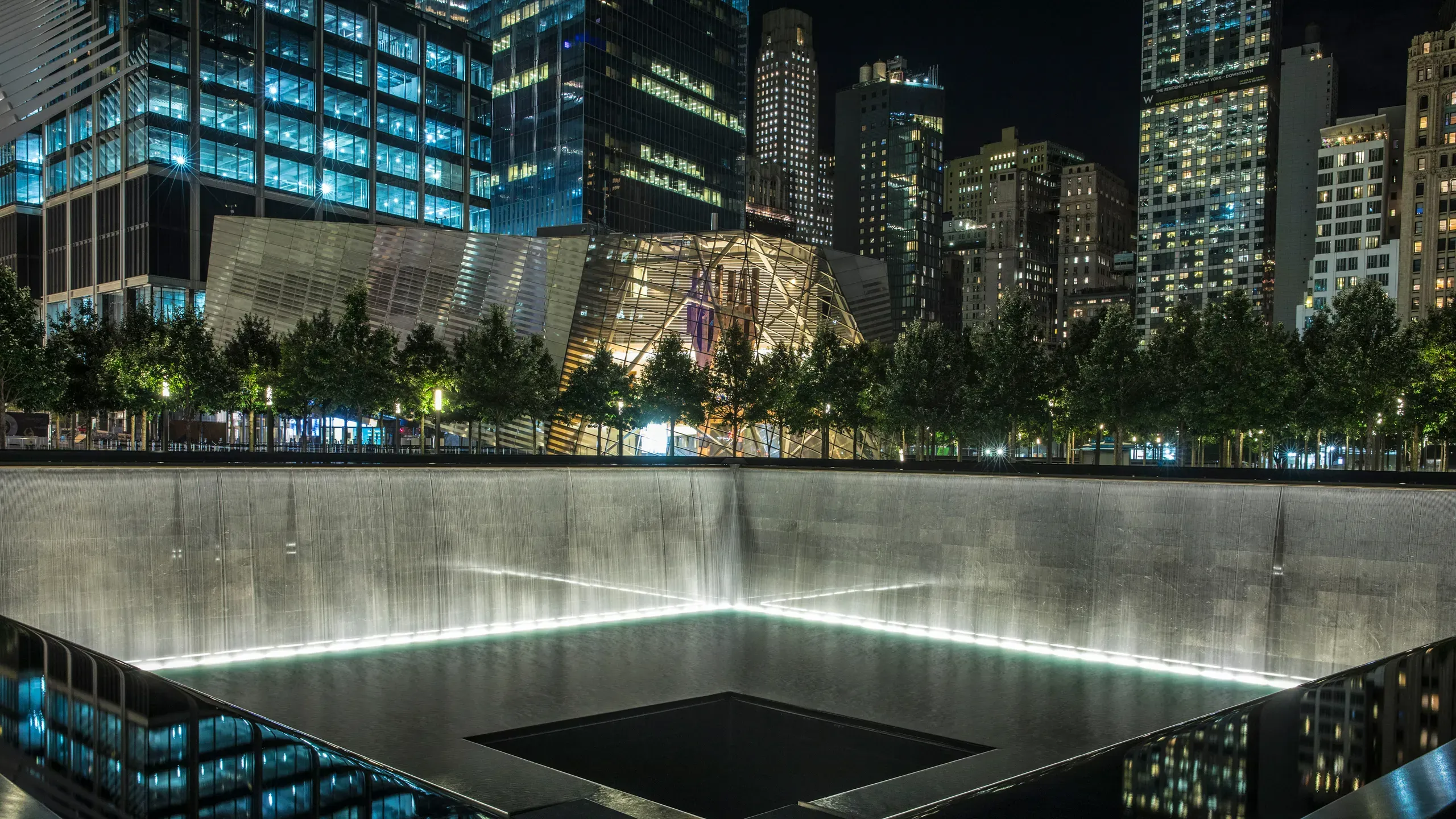
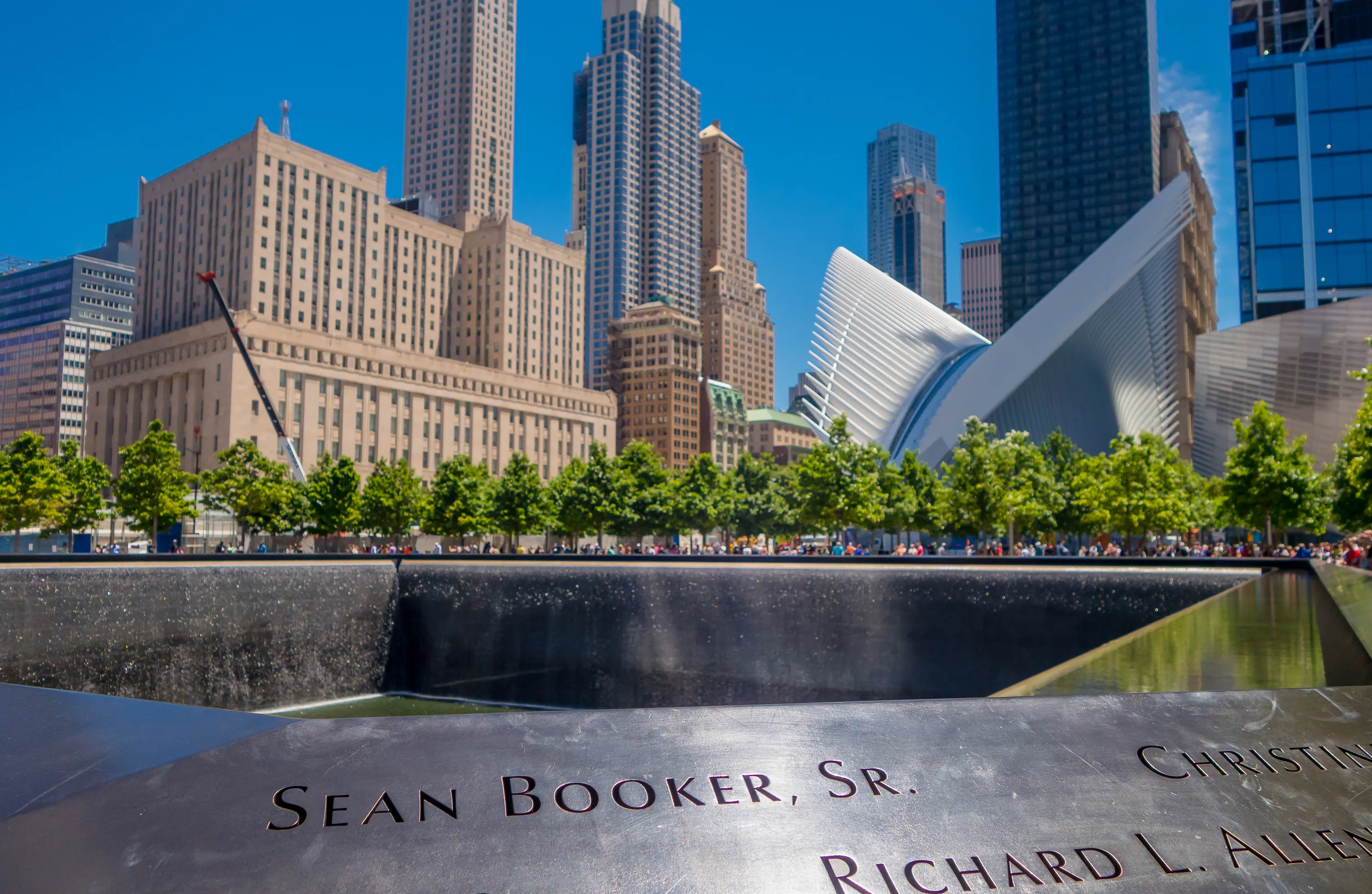
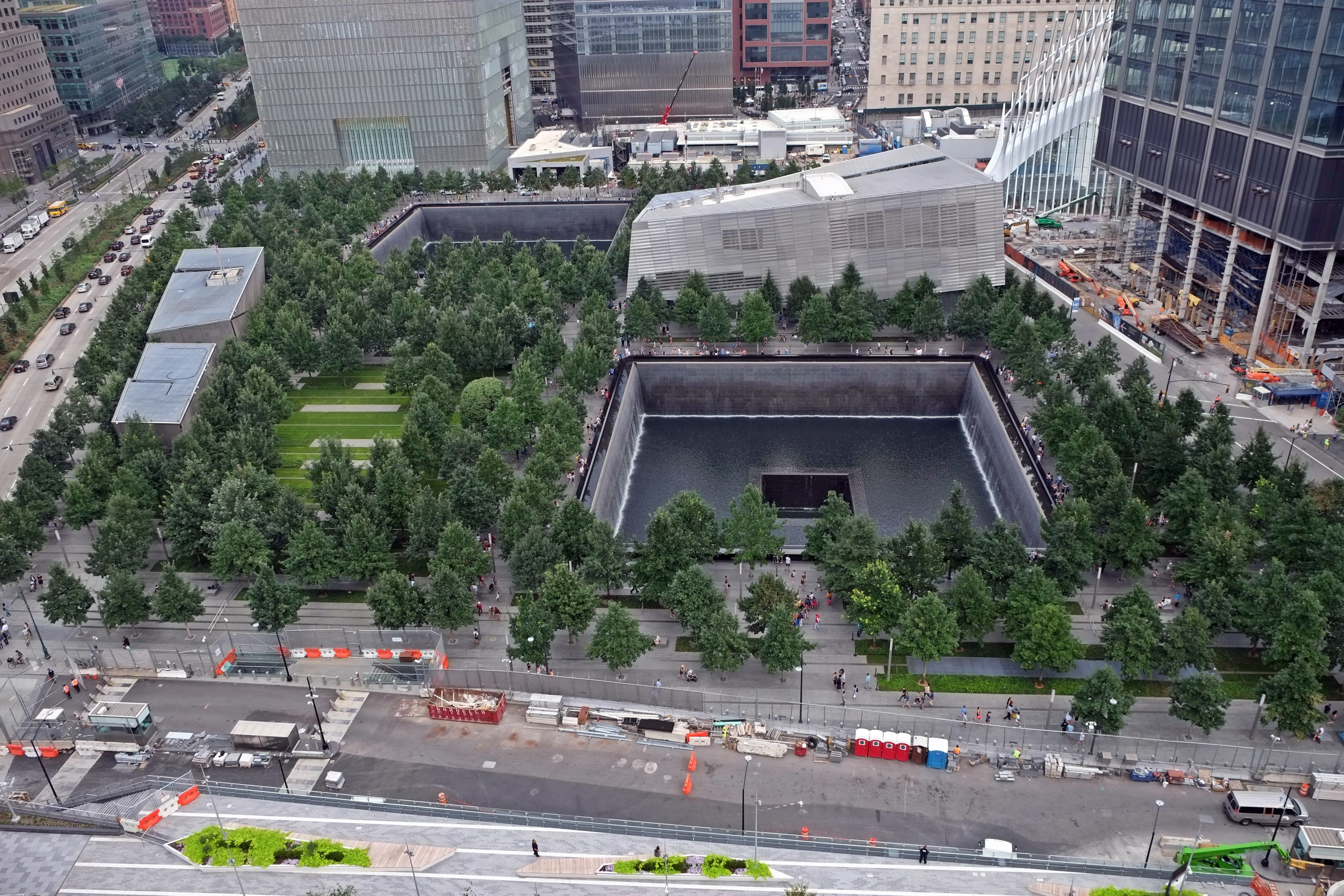
Two vast pools mark the original footprints of the North and South Towers. Water descends into square voids, evoking absence and remembrance. The names of the victims of 9/11 and the 1993 attack are inscribed in bronze panels surrounding the pools.
9/11 Museum Galleries
Historical and memorial exhibitions place personal stories and artifacts within the broader context of the day, its aftermath, and the resilience shown by survivors, first responders, and communities.
Survivor Tree & Memorial Glade
The Survivor Tree, a Callery pear rehabilitated after the attacks, stands as a living symbol of resilience. Memorial Glade honors those who suffered or died from related health effects, along with the recovery community.
Essential information at a glance
Quick answers to plan a thoughtful, unrushed visit.
Plan your visit with timed entry
Select a timed ticket for the Museum and allow quiet time on the outdoor Memorial plaza.
Guided experiences and audio tours provide context that deepens reflection.